


Blog
Why Is the Japan Soccer Jersey a Must-Have for Fans?

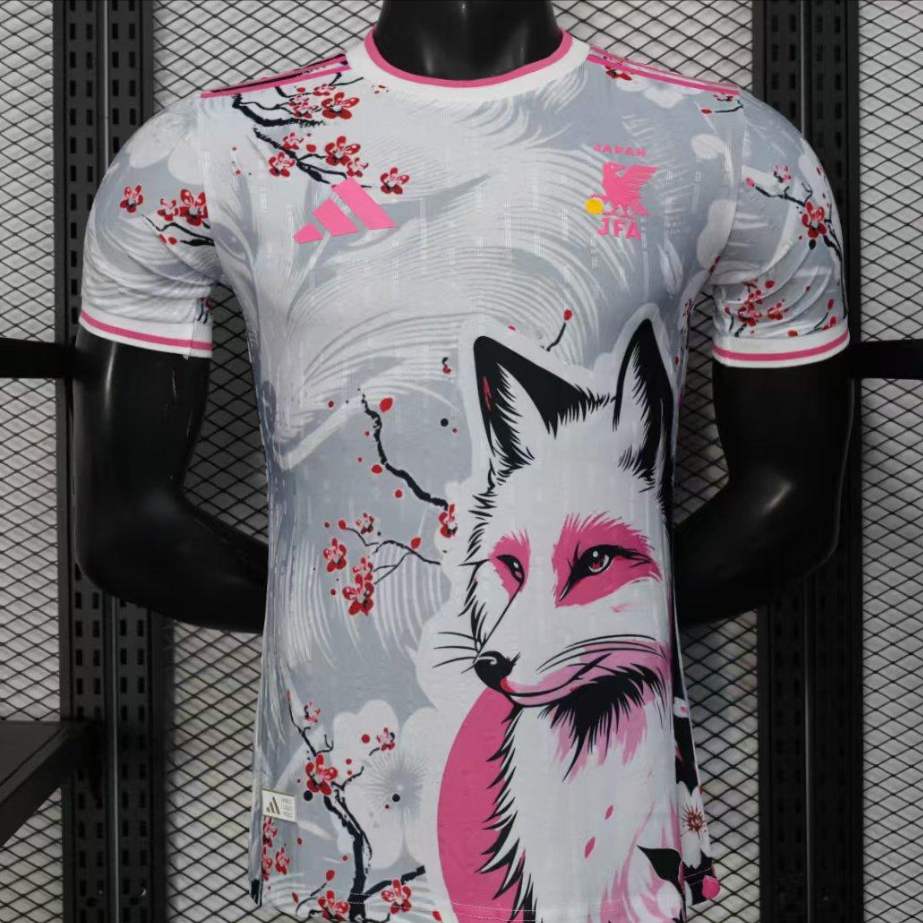
The world of football fashion is rich with history, vibrant colors, and deep cultural narratives. Among the most recognizable and highly coveted apparel pieces is the Japan soccer jersey. More than just a uniform worn by the national team, this garment has evolved into a powerful symbol of national identity, cutting-edge design, and a unique footballing philosophy. For product users—the dedicated fans, passionate collectors, and casual enthusiasts—understanding the essence of the Japan soccer jersey provides a richer appreciation for the item they own or seek to acquire. This in-depth exploration will delve into the history, design philosophy, and technological advancements that solidify this jersey’s place as a truly global icon in the realm of sports apparel.
The Genesis of a Modern Classic: History and Heritage
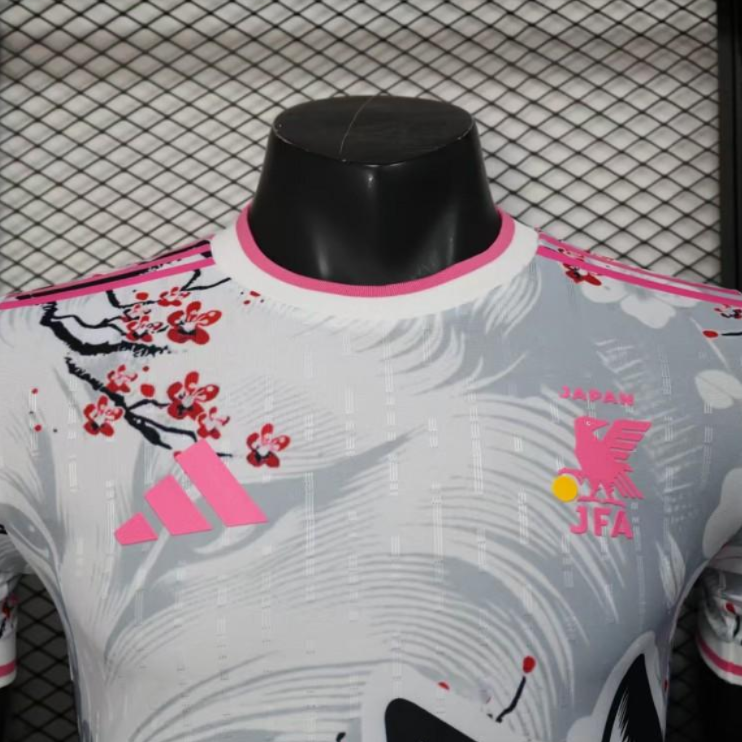
To truly appreciate the contemporary Japan soccer jersey, one must first acknowledge its foundational roots. The history of the Japanese national team’s attire is a fascinating journey that parallels the nation’s rise as a competitive footballing power. Initially, the designs were simpler, reflecting the early stages of the sport’s development in the country. However, as the “Samurai Blue”—a widely used nickname for the team—began to gain prominence on the international stage, particularly with their consistent qualifications for the FIFA World Cup starting in 1998, the jersey gained global visibility and importance.
The adoption of the now-iconic deep blue color is a story steeped in symbolism. While various explanations exist, the most popular narrative links the blue to the deep blue of the sky and the ocean surrounding the Japanese archipelago, representing the aspiration for victory and the vastness of the world. Consequently, this primary color has become an instant identifier for the Japan soccer jersey. The progression from simple, traditional cuts to the sophisticated, high-performance apparel we see today demonstrates a commitment not only to aesthetics but also to player performance and fan engagement. This evolution is central to the jersey’s identity.
Design Philosophy: Blending Tradition with Avant-Garde Aesthetics
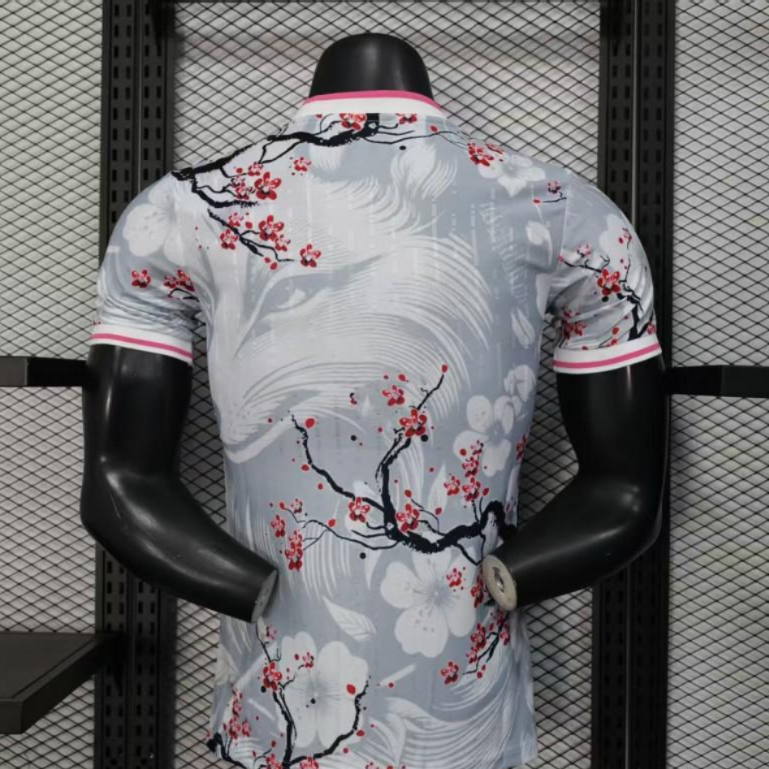
What truly sets the Japan soccer jersey apart from its contemporaries is its unparalleled ability to fuse profound Japanese cultural motifs with bold, forward-thinking graphic design. Unlike many jerseys that rely on standard national colors and logos, the Japanese iteration frequently serves as a canvas for artistic expression, often drawing inspiration from centuries of Japanese art and craft. This commitment to unique design makes each new release highly anticipated by collectors worldwide.
A recurring theme is the incorporation of traditional Japanese art forms. For instance, patterns inspired by ukiyo-e woodblock prints, origami, or the concept of kamon (family crests) have been subtly or overtly integrated into the fabric’s graphics. This meticulous attention to detail transforms the garment from mere sportswear into a wearable piece of art. Furthermore, the aesthetic choices are invariably informed by a narrative—each World Cup or major tournament cycle often sees a new theme that relates to the spirit of the team or the nation’s outlook. This narrative-driven design process ensures that the Japan soccer jersey possesses layers of meaning beyond its visual appeal. Therefore, when a fan purchases a shirt, they are acquiring not just a piece of fabric, but a fragment of cultural storytelling.
Technological Innovation: The Pursuit of Peak Performance
The appeal of the Japan soccer jersey for product users is not limited to its looks; it is equally rooted in its performance capabilities. As sportswear technology has advanced rapidly, the Japanese national team’s kit has consistently been at the forefront of innovation. The technical specifications of the material are paramount, especially for players operating at the highest levels of the sport.
Modern jerseys utilize advanced fabric technologies designed to regulate body temperature and manage moisture effectively. The incorporation of lightweight, breathable materials ensures that the garment is comfortable and non-restrictive, directly contributing to athletic performance on the pitch. Features such as targeted ventilation zones, often achieved through laser-cut holes or varying knit densities, are crucial for dissipating heat. Moreover, the fabric is frequently engineered to be highly durable yet surprisingly soft to the touch, balancing the rigors of professional play with the comfort desired by fans. This constant striving for technical superiority means that the officially licensed Japan soccer jersey is a high-quality product, justifying its position as a premium item in the sports apparel market. These technological advantages make the jersey appealing to those who also use it for physical activity, not just display.
Cultural Significance and Global Collectability
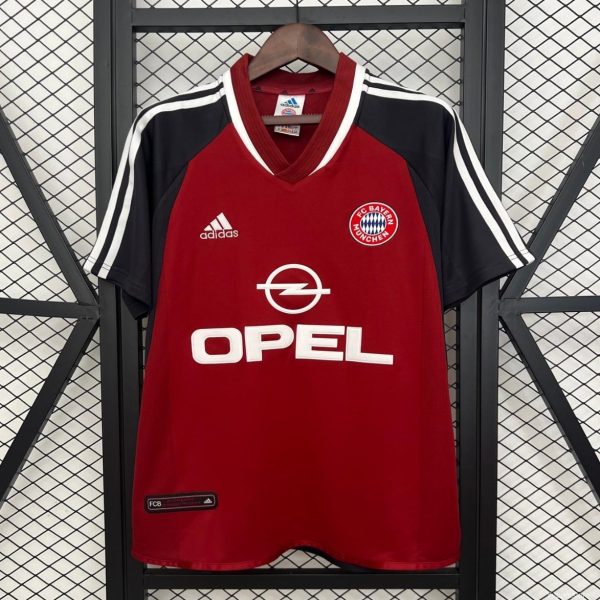
The Japan soccer jersey transcends the pitch and holds a significant place in global street fashion and collector circles. Its status as a highly sought-after item is driven by a combination of limited-edition releases, unique design features, and the global popularity of key players. The sheer variety of unique home, away, and special commemorative kits released over the years creates a vibrant secondary market for collectors.
Collecting a full set of match-worn or player-issue versions of the Japan soccer jersey from a particular era or tournament is a substantial undertaking, often requiring deep knowledge of the specific details distinguishing these versions from their retail counterparts. This collector culture further elevates the perceived and actual value of the garment. Furthermore, the jersey is frequently seen worn by individuals globally as a statement of appreciation for Japanese culture, football, or the aesthetic itself, demonstrating its universal appeal. The design’s strong visual identity ensures it remains relevant outside of a match-day context, making it a fashion staple. Consequently, the desirability of the Japan soccer jersey remains consistently high.
The Role of the Manufacturer and the Future
The relationship between the Japanese Football Association and its long-term kit manufacturers has been instrumental in the consistent quality and distinctive design of the Japan soccer jersey. These partnerships facilitate the blend of state-of-the-art manufacturing techniques with culturally rich design concepts. The manufacturer acts as the steward of the jersey’s aesthetic evolution, ensuring that tradition is respected while innovation is embraced.
Looking ahead, the future of the Japan soccer jersey will undoubtedly continue this trajectory of innovation. We can anticipate even greater strides in sustainable manufacturing practices, with a strong focus on recycled and ethically sourced materials, aligning with a global trend towards environmental responsibility. Furthermore, personalized customization options and the integration of smart-fabric technologies could revolutionize how users interact with their apparel. The core identity, however—the vibrant blue and the commitment to design excellence—will undoubtedly remain the cornerstone of the Japan soccer jersey. The continued focus on user needs, blending high-tech performance with high-art aesthetics, will secure its legacy for future generations of players and fans. This commitment to quality is what customers of your site, topjersey666.com, expect.
Conclusion
In sum, the global prominence of the Japan soccer jersey is a complex interplay of history, cultural depth, technical excellence, and universal aesthetic appeal. It represents the pinnacle of modern sportswear design—a functional, high-performance garment that simultaneously tells a rich cultural story. For the user, it is an investment in a piece of sporting history, a testament to national pride, and a stylish item that commands respect on and off the field. Its continued evolution promises to keep it at the forefront of the football apparel world, ensuring its status as a true global icon for years to come.
Frequently Asked Questions (FAQ)
What is the significance of the blue color used on the Japan soccer jersey?
The deep blue color, often referred to as “Samurai Blue,” is generally understood to symbolize the vastness of the sky and the ocean surrounding Japan, representing hope, determination, and the nation’s aspiration for success on the world stage. It has become the signature color for the Japan soccer jersey.
How do I identify an authentic Japan soccer jersey versus a replica?
Authentic (or “player issue”) Japan soccer jerseys are typically made with the most advanced performance technology, featuring a tighter fit, heat-pressed badges and logos, and specific internal tags and details that distinguish them from the more relaxed, fan-focused “replica” versions. Checking the wash tags, holographic seals, and fabric quality are essential steps.
Are older Japan soccer jerseys valuable to collectors?
Yes, absolutely. Older Japan soccer jerseys, particularly those associated with major tournaments like the World Cup (e.g., the 1998, 2002, or 2010 kits), or those worn by legendary players, can hold significant value for collectors. The condition, size, and whether it is a match-issue garment greatly influence the price.
What Japanese cultural elements are often found in the jersey designs?
Design elements frequently incorporated into the Japan soccer jersey include motifs inspired by traditional Japanese arts. Examples are geometric patterns derived from origami, graphic interpretations of ukiyo-e (woodblock prints), or designs mimicking the structure of traditional samurai armor, all adding cultural depth to the product.