Blog
Black Soccer Jersey: Why is Dark Apparel Dominating the Pitch?

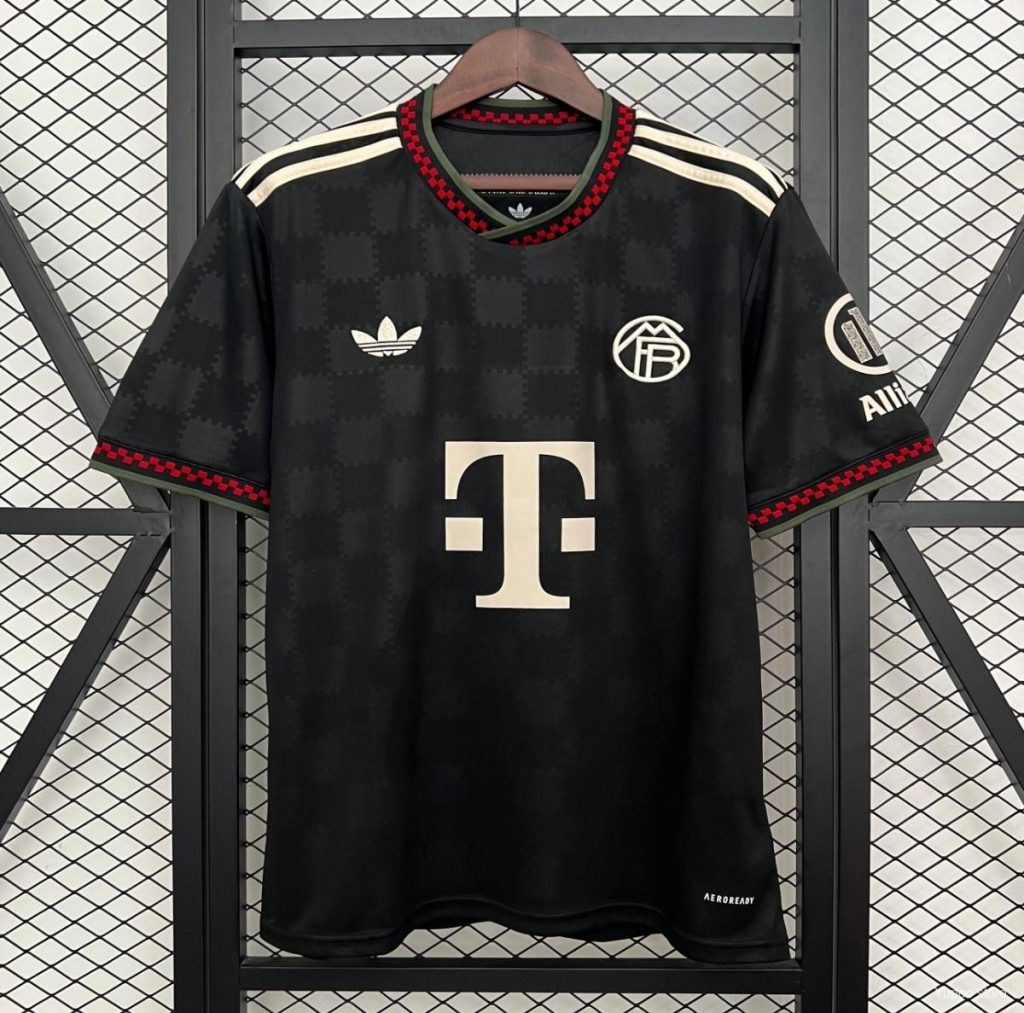
The black soccer jersey holds a unique and powerful position in the world of sports apparel. Far from being a mere aesthetic choice, the adoption of black kits by major clubs and national teams signals a calculated move that blends psychological impact, fashion trends, and advanced material technology. While traditional colors often carry decades of historical baggage, black offers a sleek, modern, and often intimidating presence on the pitch. It has transcended its conventional role as a simple away or third kit to become a fan favorite, often selling out faster than home strips. For supporters, collectors, and casual wearers, understanding the cultural, historical, and technical reasons behind the popularity of the black soccer jersey offers a deeper appreciation for the garment itself. This in-depth article will analyze the psychological effects of the color black, trace its evolution in football history, and detail the technical advantages that make these dark jerseys a crucial piece of modern football gear.
The Psychology of Black: Intimidation and Authority
The color black carries profound psychological weight across cultures and, specifically, in the competitive arena of sports. When worn by a team, the black soccer jersey projects an image of authority, discipline, and an undeniable sense of menace toward the opposition.
In the psychological study of color in sports, dark shades are often associated with aggression, dominance, and strength. Teams wearing black are frequently perceived as more formidable or even ‘villainous,’ an image many successful clubs have intentionally embraced. This perception can subtly influence referees’ decisions, opponents’ cautiousness, and, most importantly, the confidence of the players themselves. For the individual player, pulling on a black jersey can act as a psychological catalyst, fostering a sense of unity and focused intensity. It strips away the regional, local, or historical complexities often tied to colorful home kits, focusing the wearer purely on the battle ahead. Consequently, the choice of a black uniform is rarely accidental; it is a deliberate attempt to gain a non-verbal psychological advantage, making a powerful visual statement before the first whistle even blows.
A Historical Review: From Utility Kit to Fashion Statement
The appearance of the black soccer jersey on the professional pitch was initially driven more by necessity and utility than by high fashion, but its narrative quickly evolved into a powerful style statement.
In the early days of football, kits were often plain, heavy, and made of wool or cotton. Black was adopted by certain teams due to its practicality: it was effective at concealing mud and field stains, making maintenance easier, particularly before the advent of modern washing technology. However, it was during the late 20th and early 21st centuries that black truly gained its iconic status. Clubs began to use black kits as sharp, contrasting alternatives to their bright home colors, especially when facing opponents with similar color palettes. The introduction of black by teams known for their rebellious spirit or avant-garde design choices cemented its place in football culture. It became synonymous with modern design, often featuring subtle textures, metallic accents, or neon trim that stood out brilliantly against the dark canvas. The jersey transitioned from a utilitarian garment to a must-have piece of streetwear, influenced heavily by collaborations between sports brands and high-fashion designers, proving that the black soccer jersey is as significant off the pitch as it is on it.
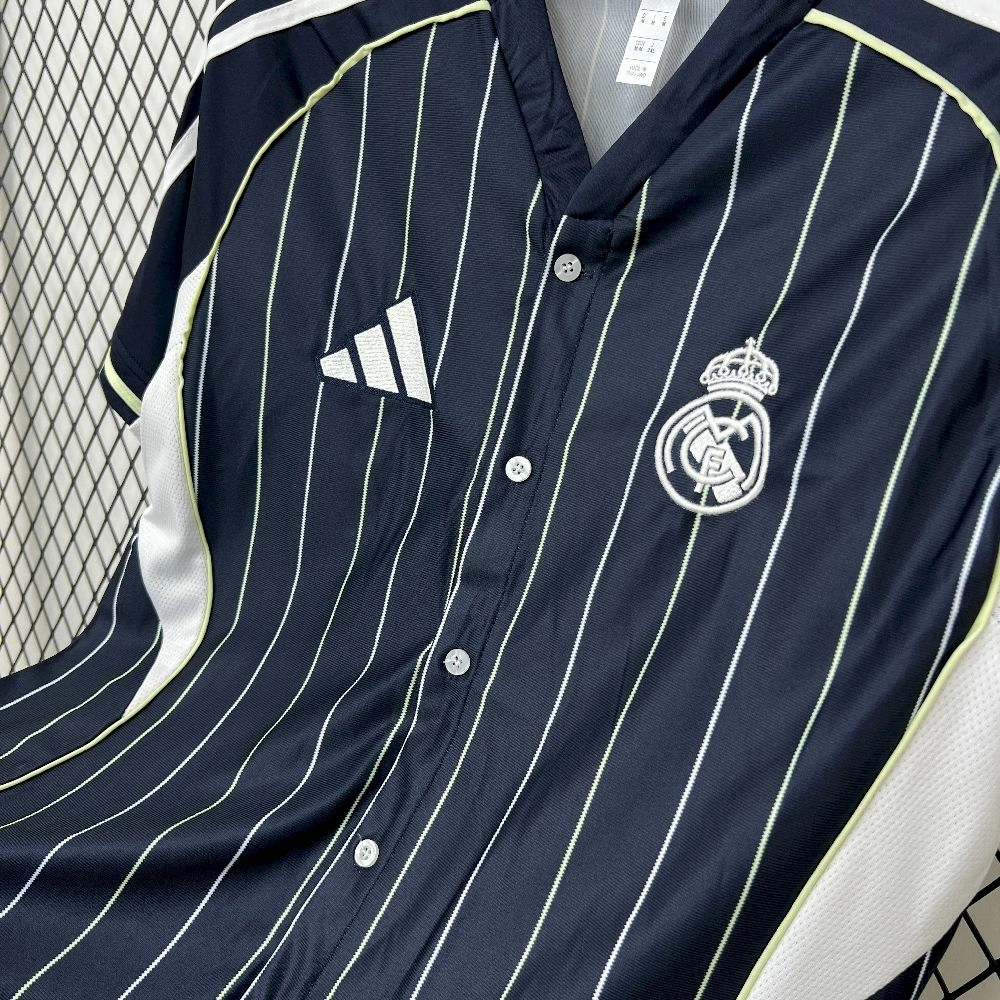
Technical Innovation: Managing Performance in the Dark
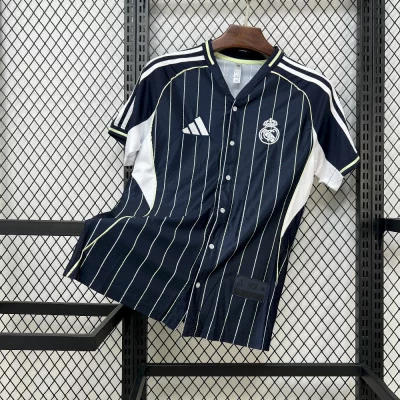
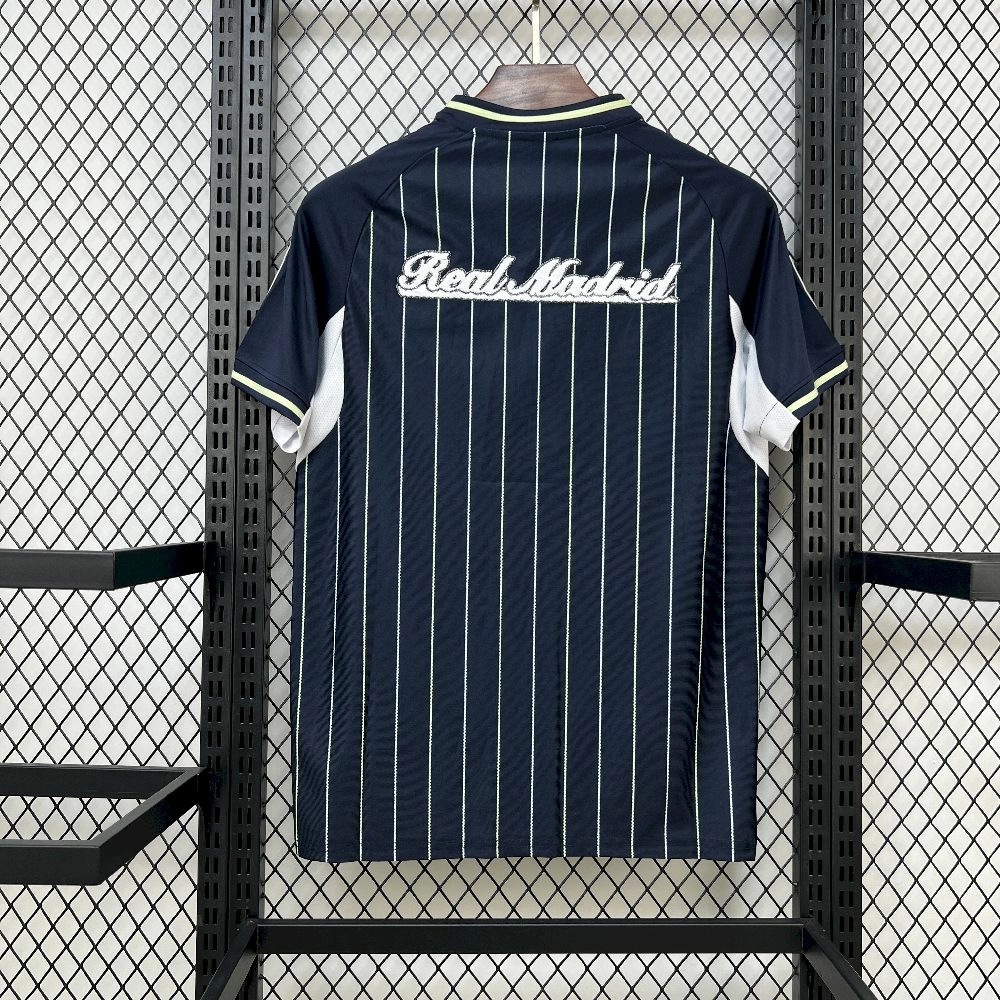
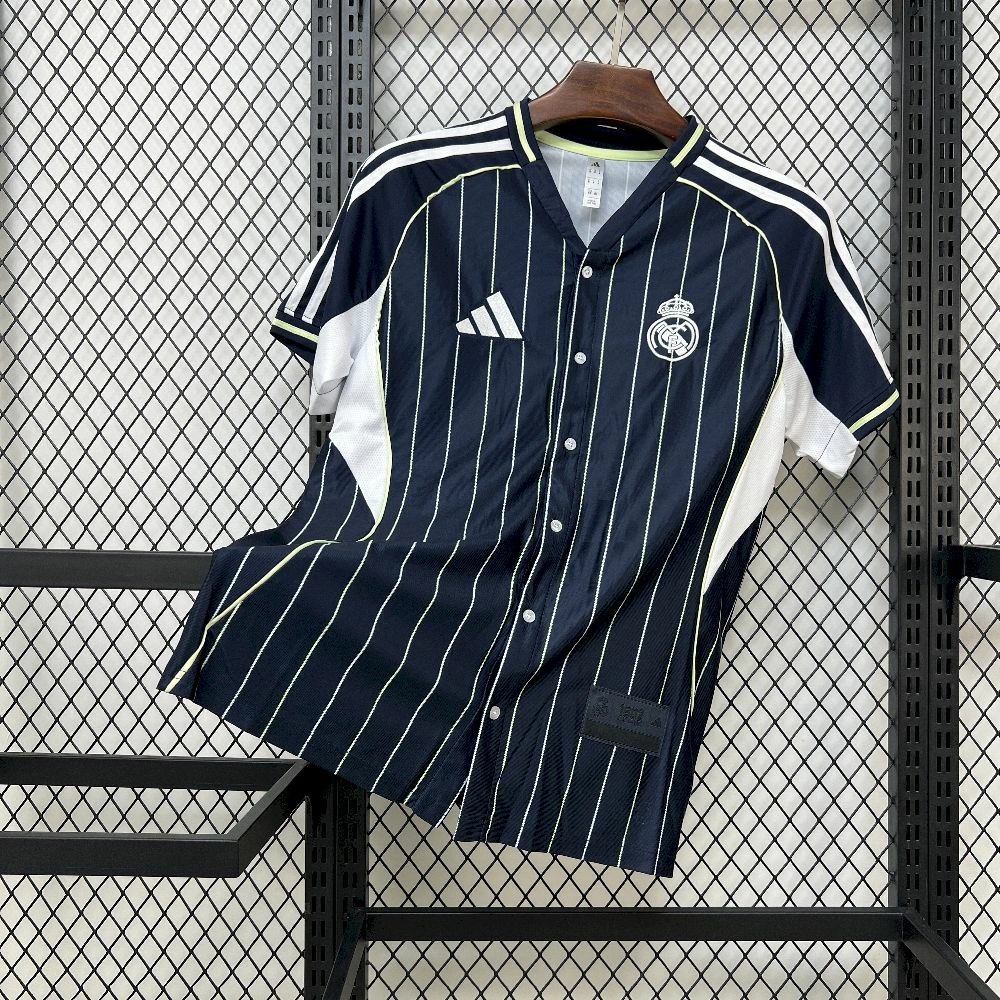
A common, yet misplaced, concern regarding the black soccer jersey is its potential to absorb more heat, negatively impacting player performance—a challenge that modern textile engineering has successfully addressed.
Today’s soccer jerseys are crafted from advanced, high-performance synthetic fabrics, typically polyester blends, which prioritize moisture management and temperature regulation. These materials employ technology known as “waffle,” “Dri-FIT,” or “AeroReady,” which works by actively wicking sweat away from the player’s skin and distributing it over a larger surface area where it can quickly evaporate. This evaporative cooling process is the primary mechanism for heat dissipation, not the color of the outermost layer. Furthermore, black jerseys feature targeted ventilation zones—often laser-cut holes or mesh panels—in high-heat areas like the back, underarms, and sides. These zones enhance airflow and significantly reduce heat retention, ensuring that the performance benefits of the advanced fabric are not compromised by the dark color. Therefore, players can enjoy the psychological and aesthetic advantages of the black jersey without sacrificing comfort or suffering from detrimental heat absorption, confirming its suitability for elite competition in varied climates.
The Collector’s Appeal: Rarity, Design, and Exclusivity
For the dedicated fan and serious collector, the black soccer jersey often holds a high value due to its unique design characteristics and its occasional status as an exclusive third or commemorative kit.
Black jerseys frequently serve as a creative canvas for designers, allowing them to experiment with colors and patterns that would not be possible on the team’s traditional primary colors. These limited-edition or special-event black kits often feature unique crest treatments, tonal patterns, or bold sponsor logos, making them visually distinct and highly coveted. Because they are typically used for a single season or for specific cup competitions, their production runs are often smaller than those of home kits, lending them an immediate rarity that drives up collector demand. The aesthetic neutrality of black also makes it highly versatile as a base color, allowing designers to incorporate fluorescent or metallic accents that symbolize modernity or a club’s innovative spirit. For collectors, owning a black jersey from a significant season or match is akin to possessing a piece of football history and design excellence.
Cultural Impact and Fan Identity
The choice to purchase and wear a black soccer jersey extends beyond mere support; it is a definitive statement about the fan’s identity, connecting them to the modern, often edgy, identity of their chosen club.
The shift toward black kits reflects a broader trend in football where clubs seek to establish a global brand identity that transcends regional colors. Black is a color universally associated with sophistication and coolness, appealing to younger demographics and those interested in the intersection of sport and streetwear fashion. When fans wear these dark jerseys in the stands or in casual settings, they are signaling their connection to a powerful, contemporary vision of their team. This shared visual identity strengthens the sense of community among supporters. Moreover, the black jersey’s versatility means it integrates easily into everyday clothing, making it a functional and fashionable piece of apparel that allows fans to subtly or overtly display their loyalty. This enduring popularity ensures that the black kit remains a core fixture in sportswear merchandising and fan culture for the foreseeable future.
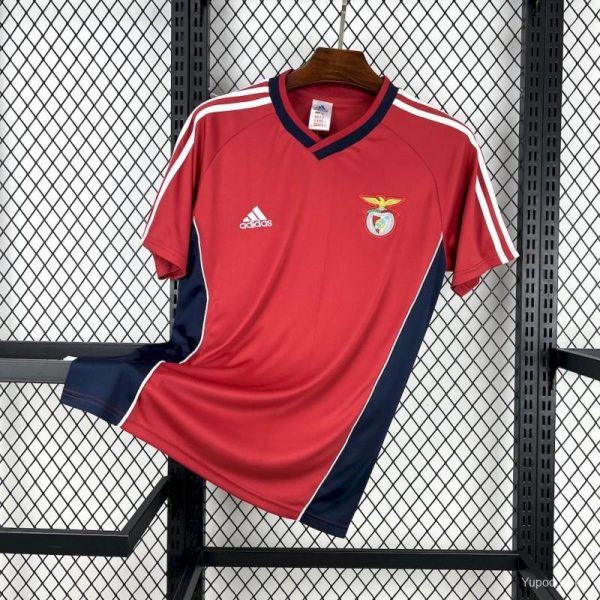
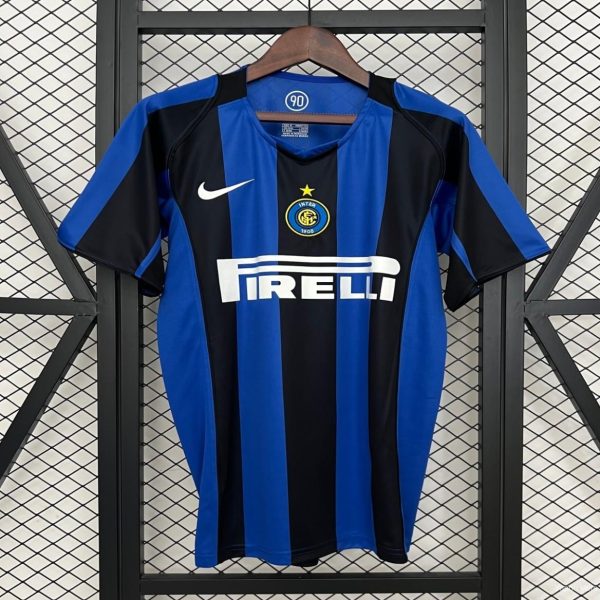
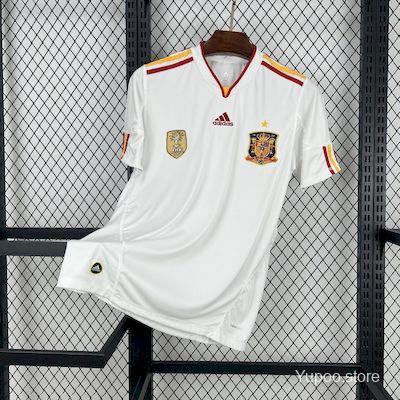
Ethical Consumption and Sustainability in Dark Kits
As the demand for popular merchandise like the black soccer jersey grows, modern consumers and manufacturers are increasingly focusing on the ethics of production and the sustainability of the dark synthetic fabrics used.
Leading sports apparel companies have made significant strides in sustainable manufacturing. Many modern jerseys, including black ones, are now produced using recycled polyester, often derived from reclaimed plastic bottles. This process not only reduces reliance on virgin petroleum but also lowers the energy required for production. Furthermore, the dyeing process for black, while historically requiring significant resources, is being optimized with water-saving techniques and non-toxic dyes to minimize environmental runoff. Consumers are increasingly valuing transparency and ethical sourcing, influencing their purchasing decisions toward brands that can demonstrate a clear commitment to sustainable practices throughout the supply chain. Choosing a certified, ethically produced black jersey aligns the fan’s passion for the sport with a commitment to responsible consumption, reinforcing a positive value system within the global football community.
Frequently Asked Questions (FAQ)
Q1: Why are black soccer jerseys so popular among clubs today?
Black jerseys are popular because they project an image of power, intimidation, and sophistication, which can provide a psychological advantage. They also serve as an excellent, versatile canvas for unique and modern design elements often favored for high-selling away or third kits.
Q2: Does wearing a black soccer jersey make a player significantly hotter during a game?
Modern black soccer jerseys are made from highly advanced moisture-wicking and ventilated synthetic fabrics. These technical materials prioritize evaporative cooling, ensuring that the performance differences due to color absorption are negligible, especially compared to the material’s overall cooling capability.
Q3: Are black soccer jerseys typically home, away, or third kits?
They are most commonly used as away or third kits. This provides a strong visual contrast to the team’s primary home colors and allows for greater creative freedom in design, often resulting in exclusive and highly sought-after collector’s items.