


Blog
Classic Soccer Jerseys: Why Do They Hold Such Enduring Appeal?

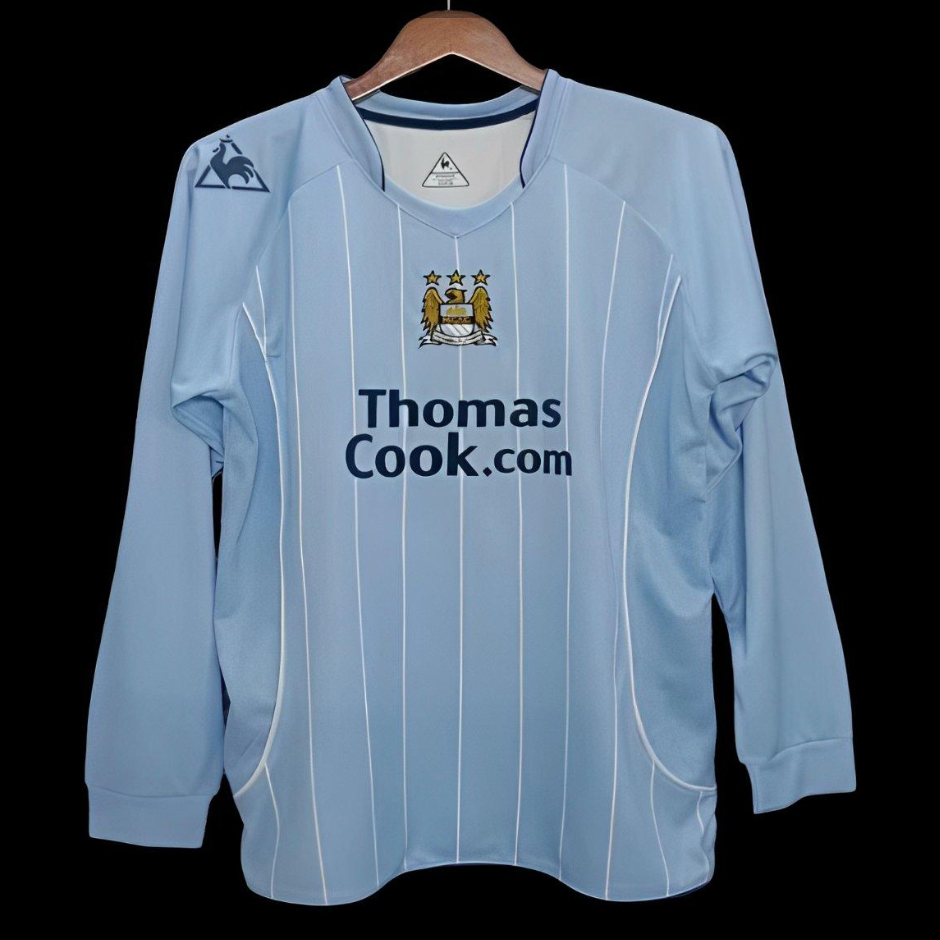
Introduction: More Than Just Fabric and Thread
The world of football fashion often cycles through trends, yet few items possess the timeless reverence commanded by classic soccer jerseys. These vintage shirts are far more than simple athletic apparel; they are woven tapestries of football history, cultural identity, and deep-seated nostalgia. For dedicated fans and discerning collectors, owning one of these iconic garments is akin to holding a piece of the beautiful game’s soul. In the contemporary marketplace, their value—both sentimental and monetary—continues to appreciate, cementing their status as true artifacts of sports history. This comprehensive analysis will delve into what precisely defines a classic soccer jersey, exploring the intrinsic features, historical significance, and the compelling reasons behind their unwavering popularity among today’s global consumer base, particularly those interested in acquiring quality football products.
The Anatomy of an Icon: Defining Classic Soccer Jerseys
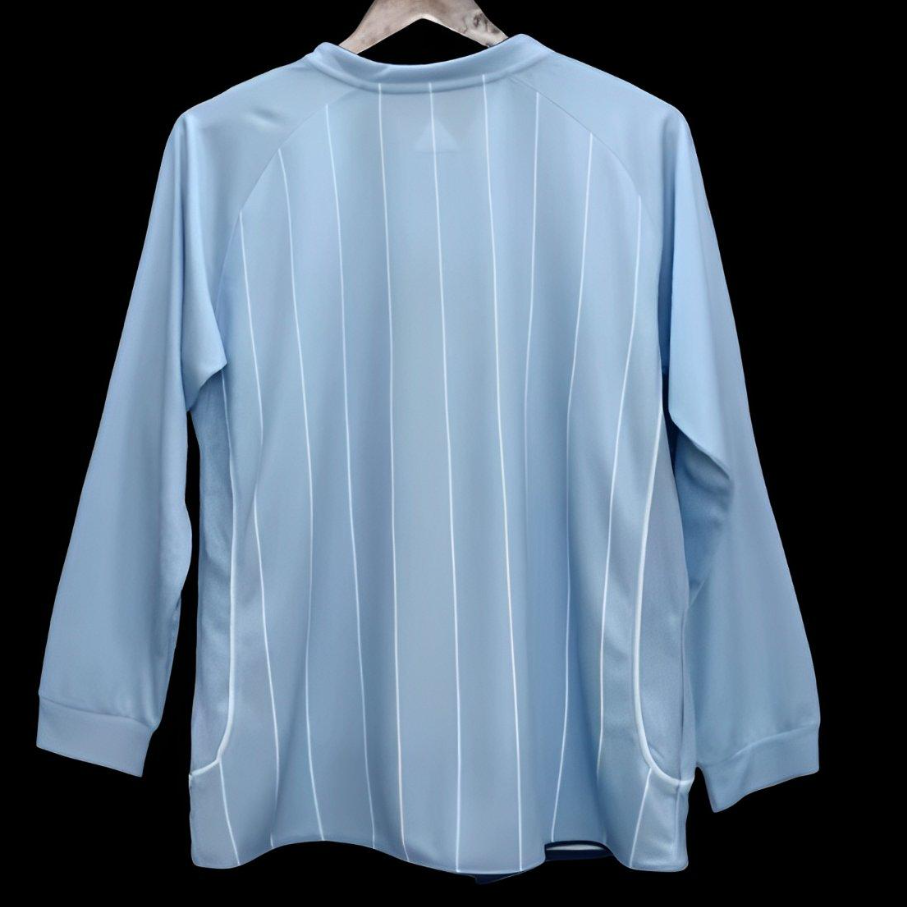
To truly appreciate the enduring appeal, one must first understand what qualifies a jersey as “classic.” It is generally accepted that a shirt earns this distinction not merely through age, but through its association with a pivotal moment, a legendary player, or a design that radically altered the aesthetic landscape of the sport.
Historical Context and Design Evolution
The earliest football shirts, often made of heavy cotton and wool, were purely functional, prioritizing durability over comfort or style. However, the mid-to-late 20th century marked a significant transformation. Pioneering designs from the 1970s and 1980s introduced lighter synthetic fabrics, bold geometric patterns, and the prominent display of club crests and sponsor logos. These changes laid the groundwork for the modern jersey. Consequently, shirts from this Golden Era—roughly from the 1980s through the early 2000s—are predominantly sought after. This period saw a shift from simple design to elaborate, narrative-driven aesthetics.
The very best of these garments are instantly recognizable. Consider the vibrant colors of the Netherlands’ 1988 European Championship shirt or the distinct collar and three stripes of a 1990s German national team jersey. Indeed, these design elements often supersede the team itself, becoming global fashion statements. Furthermore, the limited production runs and lack of widespread availability during their initial release only contribute to the mystique and scarcity of these true classic soccer jerseys today.
Quality, Craftsmanship, and Material Authenticity
One notable feature of vintage shirts is the subtle variation in craftsmanship. While contemporary kits boast advanced moisture-wicking technology, older jerseys utilized materials that, though less technical, possess a unique tactile quality. Materials such as thick polyester, felt sponsor patches, and embroidered, not printed, club badges are hallmarks of genuine vintage pieces. Therefore, the authenticity of the material and the meticulous details of the application—from flock printing to sewn-on numbers—are critical factors that collectors scrutinize. The perceived robustness and often superior finishing techniques employed by manufacturers during that era speak volumes about their dedication to quality.
Cultural Resonance and the Power of Nostalgia
The deep connection fans feel toward classic soccer jerseys is fundamentally driven by emotion, specifically nostalgia and cultural identification. These shirts serve as tangible links to cherished personal and collective memories.
Reliving Defining Moments in Football History
A specific jersey can instantaneously transport a fan back to a monumental sporting event. The sight of a certain home or away kit evokes the thrill of a championship victory, the drama of a decisive penalty shootout, or the brilliance of a career-defining goal. As a result, the shirts become mnemonic devices, preserving the narrative of football’s most compelling chapters. The emotional investment in the sport is thus channeled directly into these products. Consequently, consumers are willing to invest significantly in pieces that symbolize moments of peak collective joy.
Moreover, these shirts often predate the hyper-commercialization of the modern game. They represent a simpler, more “pure” version of football, which resonates deeply with those who feel alienated by the contemporary business of the sport. The design is perceived as being less about branding campaigns and more about team identity.
Classic Soccer Jerseys as Fashion and Streetwear
Beyond the stadium, classic soccer jerseys have secured a significant presence in mainstream fashion. Their incorporation into streetwear culture is a powerful testament to their enduring aesthetic appeal. High-profile collaborations between fashion houses and sportswear brands, along with celebrities frequently donning vintage kits, have elevated these garments from sports memorabilia to bona fide style icons.
The vibrant colors, distinctive patterns, and retro silhouettes naturally complement modern casual wear, offering a unique blend of athleticism and vintage flair. This cross-pollination ensures that the appeal is not limited to sports enthusiasts but extends to a broader, style-conscious audience. Consequently, the demand for high-quality reproductions and genuine vintage items continues to surge, underpinning the economic viability of the entire niche market.
The Collector’s Perspective: Value and Authenticity
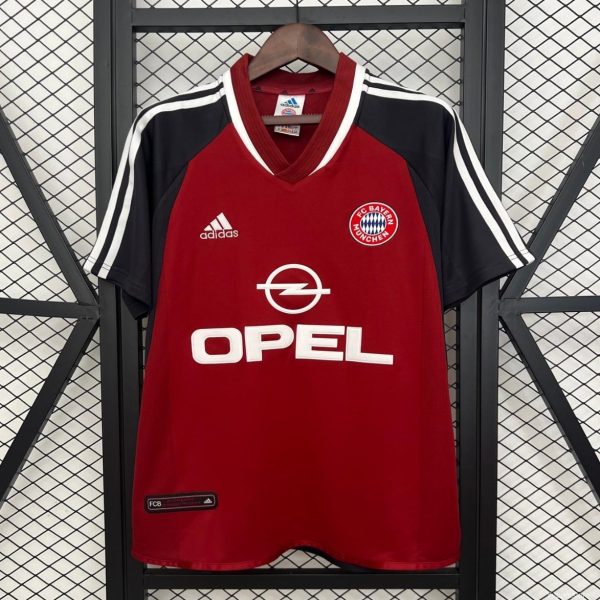
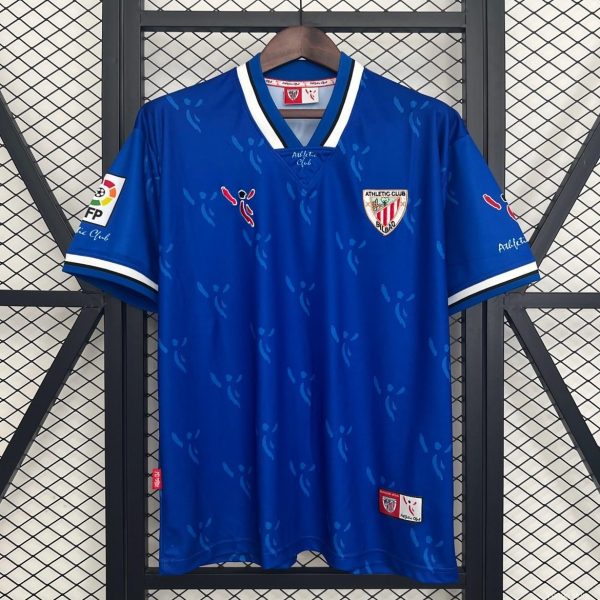
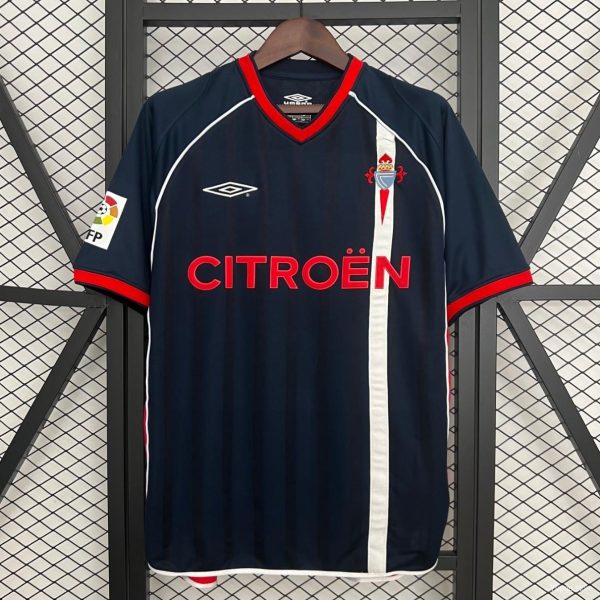
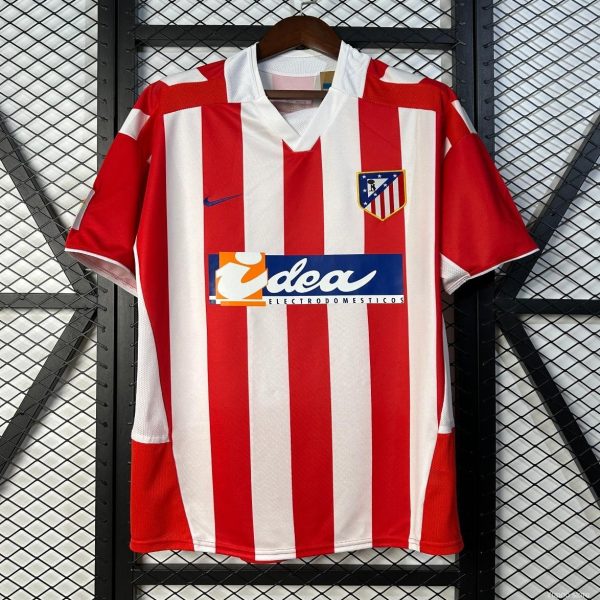
For the serious enthusiast, the pursuit of classic soccer jerseys is a nuanced passion, involving rigorous research, authentication, and a keen eye for condition and rarity.
Factors Determining Market Value
The market value of these items is complex and dictated by several overlapping factors:
- Rarity and Scarcity: Limited-edition releases, shirts worn for a single season, or those with production errors command a premium.
- Player Association: Shirts worn or signed by football legends, particularly those linked to their most famous performances, achieve the highest values.
- Condition: The state of preservation is paramount. A “mint” or “deadstock” (new with tags) jersey is exponentially more valuable than a heavily worn or damaged one.
- Authenticity: Provenance is everything. Authentic “match-worn” or “player-issue” jerseys are distinct from the more common “fan-replica” versions. Collectors rely on meticulous detail comparison and expert authentication services to verify legitimacy, ensuring their investment is sound.
The meticulous attention required in this hobby drives the professionalization of the collecting market, where detailed knowledge of manufacturing marks, tag types, and printing styles is essential. Ultimately, the desire to own a piece of authenticated history fuels this lucrative secondary market.
Acquisition and Quality for Today’s Consumer
Given the robust demand, today’s consumers face the choice between securing a genuine vintage piece or opting for a high-quality “remake” or “retro” edition.
For those focusing on quality and wearability, modern reproductions often offer the look of a classic soccer jersey with the comfort and durability of contemporary materials. However, for those seeking the true nostalgic feeling and investment potential, authentic vintage is the only option. Reputable retailers like topjersey666.com are critical, as they provide curated collections and the necessary assurance of authenticity and quality, addressing the primary concern of today’s collector: trust in the product. Selecting a trusted source is the first and most crucial step in starting a collection.
Conclusion: The Enduring Legacy of the Classic Jersey
Classic soccer jerseys embody a perfect synthesis of sports history, iconic design, and deep personal memory. They serve as historical documents that chronicle the evolution of football and its relationship with global culture and fashion. Their enduring appeal is a powerful testament to the emotional bond between fans and the beautiful game. As long as the memories of football’s greatest moments persist, the value and demand for these timeless garments will continue to grow, ensuring their status as one of the most culturally significant items in the world of sport. They remain perennial favorites, transcending generations and fleeting trends.
Frequently Asked Questions (FAQ)
Q1: What defines a “classic” or “vintage” soccer jersey?
A: Generally, a jersey is considered classic or vintage if it is at least 15 to 20 years old, or, more importantly, if it is intrinsically linked to a historic team, player, or a significant tournament and features an iconic, era-defining design. The period from the 1980s through the early 2000s is often considered the peak for collecting classic kits.
Q2: What is the difference between “Player Issue” and “Fan Replica” classic jerseys?
A: Player Issue (or Match Worn/Prepared) jerseys are made to the exact specifications for the professional players—often with differences in material weight, fit, and ventilation details. Fan Replica jerseys are the versions sold commercially to the public. Player Issue shirts are significantly rarer and more valuable in the collector market.
Q3: How should I properly care for and clean an authentic classic soccer jersey?
A: Authentic vintage jerseys, particularly those with delicate materials, felt patches, or printed names and numbers, require careful handling. It is strongly recommended to hand wash the jersey inside out in cold water with a mild detergent. Avoid using a machine dryer; instead, always air dry flat to prevent damage to the print and fabric.
Q4: Are “retro” or “remake” jerseys a good alternative to authentic vintage shirts?
A: Yes, for most users. Retro jerseys are modern reproductions made by the original manufacturer, offering the classic look with contemporary comfort and sizing. They are an excellent, more affordable alternative for fans who wish to wear the design casually without the risk of damaging a rare, expensive vintage piece.