


Blog
Are Soccer Goalie Jerseys Built for Maximum Protection and Performance?

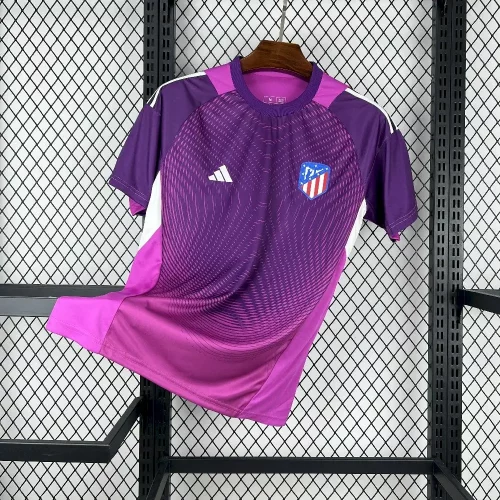
In the fast-paced, high-impact world of soccer, the goalkeeper is a unique specialist, demanding equipment that offers both protection and optimal flexibility. Unlike outfield players, whose primary concern is aerodynamics and moisture management, a goalkeeper must constantly dive, land hard, and make immediate, physical contact with the ground, opponents, and the ball. This specialized role necessitates a dedicated piece of apparel. Consequently, understanding the design philosophy and technological features of modern soccer goalie jerseys is vital for any player or team aiming for peak performance. This in-depth guide will dissect the elements that transform a simple shirt into a crucial piece of protective gear, ensuring that users can make informed choices about their essential on-field equipment.
The Unique Design Mandates of Soccer Goalie Jerseys
The fundamental difference between a standard jersey and a soccer goalie jerseys lies in the specialized structural elements and material choices engineered to mitigate impact and enhance comfort during aggressive play. These design features address the goalkeeper’s need to interact directly and frequently with the playing surface.
Integrated Padding and Impact Zones
The most noticeable distinction is the strategic placement of integrated padding. Modern soccer goalie jerseys feature highly shock-absorbent materials, often high-density foam or specialized polymer inserts, strategically placed over key impact zones. These zones typically include the elbows and sometimes the shoulders, areas that bear the brunt of landing forces during dives and blocks. The padding is designed to be lightweight and flexible, ensuring it moves seamlessly with the player without restricting the large range of motion required for shot-stopping. Importantly, the padding must be durable enough to withstand repeated impact without flattening or losing its protective qualities over the course of an entire season. This engineered protection is non-negotiable for reducing friction burns and minimizing the risk of superficial injuries during training and competitive matches.
Material Technology for Moisture and Durability
The material science behind soccer goalie jerseys is a blend of moisture management and extreme durability. Goalkeepers generate high levels of heat and sweat, yet the jersey must remain lightweight and dry to prevent chilling and maintain comfort. Therefore, advanced synthetic fabrics, such as high-performance polyester blends, are employed for their superior wicking properties. These materials efficiently draw moisture away from the skin and accelerate evaporation. Simultaneously, given the constant sliding and friction with the grass or turf, the fabric must also possess exceptional abrasion resistance. This dual focus on comfort and ruggedness ensures the jersey maintains its professional look and structural integrity throughout the most demanding games and practices.
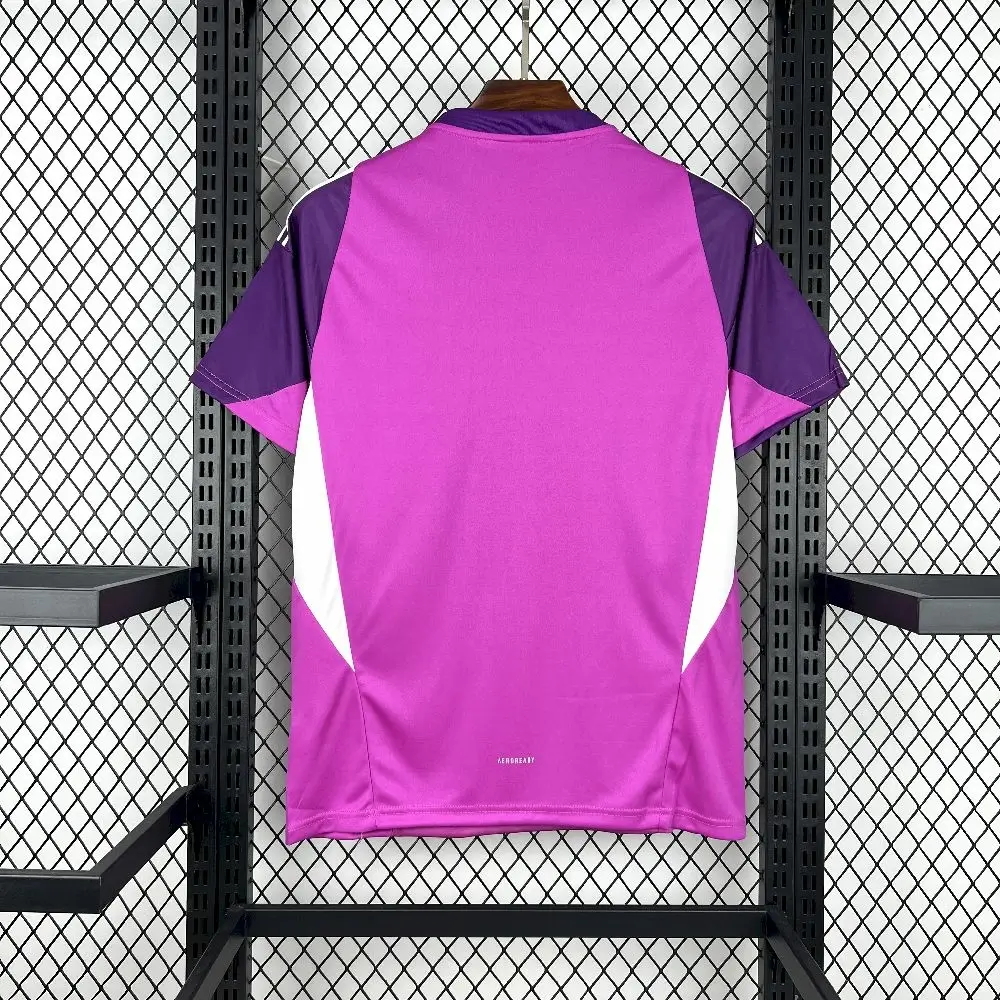
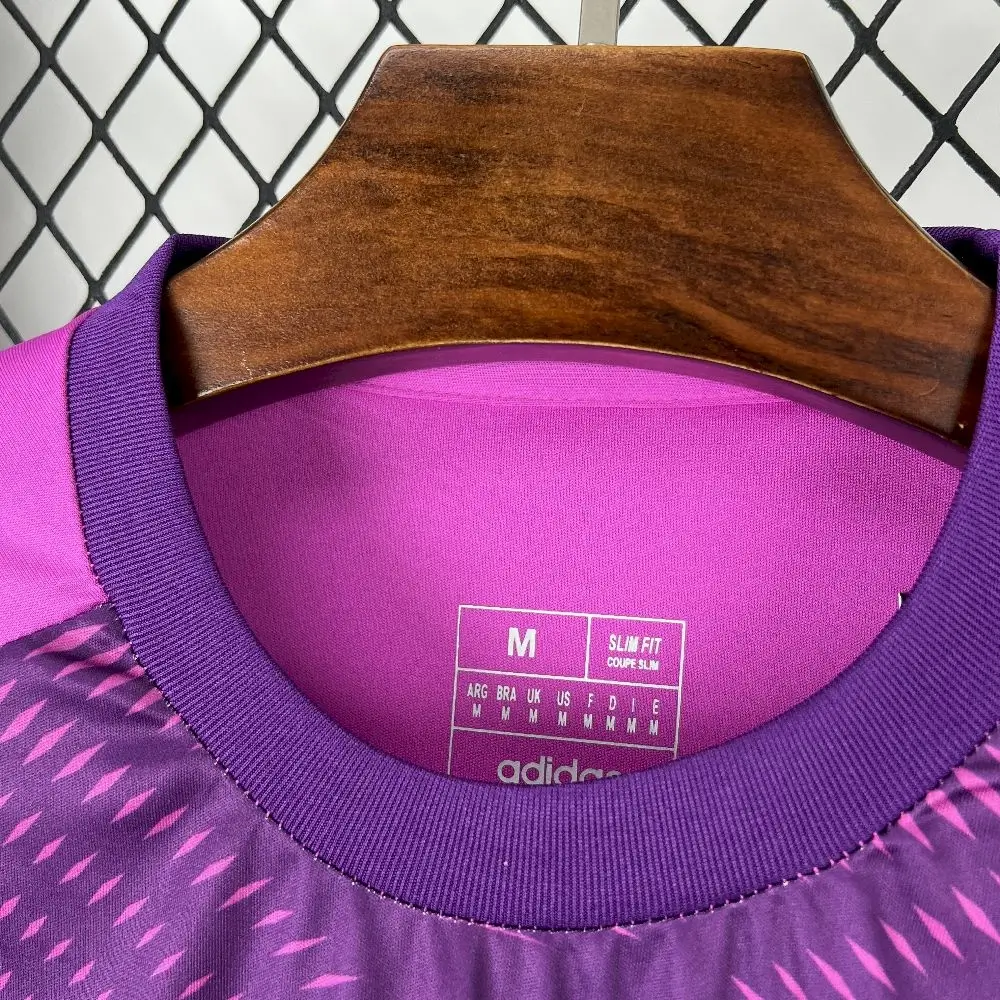
Performance and Fit: Maximizing Goalkeeper Agility
While protection is essential, the modern soccer goalie jerseys must also facilitate peak athletic performance. The cut and fit of the jersey are meticulously considered to enhance agility, speed, and reaction time.
The Importance of Specialized Fit and Cut
A standard, loose-fitting shirt hinders a goalkeeper’s rapid movements. Soccer goalie jerseys are often designed with an athletic or tapered fit that allows the fabric to move smoothly with the torso and arms. Many jerseys feature raglan sleeves or special gussets under the armpits. These design elements are included specifically to maximize the range of motion in the shoulders and arms, which is critical for reaching high shots and extending during full-length dives. Furthermore, the jersey is often slightly longer than an outfield jersey to prevent it from riding up when the goalkeeper is crouching or stretching, thereby ensuring coverage and comfort are maintained throughout the ninety minutes of play. This specialized, movement-conscious design is a key feature that distinguishes elite goalkeeping apparel.
Color Strategy and Visual Disruption
Beyond physical comfort, the color of soccer goalie jerseys plays a strategic, psychological role. Goalkeepers are required by rules to wear colors distinct from both teams and the referees. However, tactically, many keepers opt for bright, often fluorescent colors (like neon green or bright orange) that are visually disruptive. The intent is to make the goalkeeper appear larger and more intimidating, potentially momentarily distracting or delaying the striker’s decision to shoot. While this effect is subtle, every psychological edge is utilized at the professional level. This use of color as a strategic tool highlights how deeply the jersey is integrated into the goalkeeper’s overall performance profile.
Maintenance and Selection for Longevity
Investing in high-quality soccer goalie jerseys requires an understanding of proper care and selection criteria to ensure the equipment delivers maximum protective life and value.
Choosing the Right Fabric and Padding Density
When selecting a jersey, users should carefully consider the environment and level of play. For high-intensity, aggressive play on artificial turf, jerseys with thick, densely woven materials and substantial foam padding are recommended due to the increased friction and impact forces involved. For younger players or those practicing on softer natural grass, lighter padding may be sufficient, prioritizing ventilation and flexibility. Furthermore, always prioritize jerseys where the padding is securely stitched or bonded. Low-quality padding can shift or bunch during play, compromising protection and comfort. Choosing a high-quality product is fundamentally choosing reliability and reduced risk of injury.
Best Practices for Cleaning and Maintenance
Proper care is essential for extending the functional life of soccer goalie jerseys. Because the garments contain internal foam padding, they must be washed carefully to prevent the foam from degrading or becoming misshapen. Machine washing should generally be done on a gentle cycle, using cold water, and avoiding harsh bleaches or fabric softeners, which can break down the technical fibers and diminish the wicking capability of the fabric. Crucially, jerseys should never be put into a machine dryer; the high heat can damage the foam padding, cause shrinkage, and degrade the elastic properties of the synthetic materials. Air drying the jersey preserves its protective features and ensures the specialized materials retain their performance characteristics for longer.
The specialized soccer goalie jerseys is an essential piece of equipment that provides critical protection, enhances maneuverability, and even offers a subtle psychological edge. By combining durable, wicking fabrics with strategically placed, high-density padding and a performance-focused fit, these jerseys enable goalkeepers to execute their physically demanding role with confidence and maximum effectiveness.
-
14/15 Retro Arsenal Home Jersey
$19.00 -
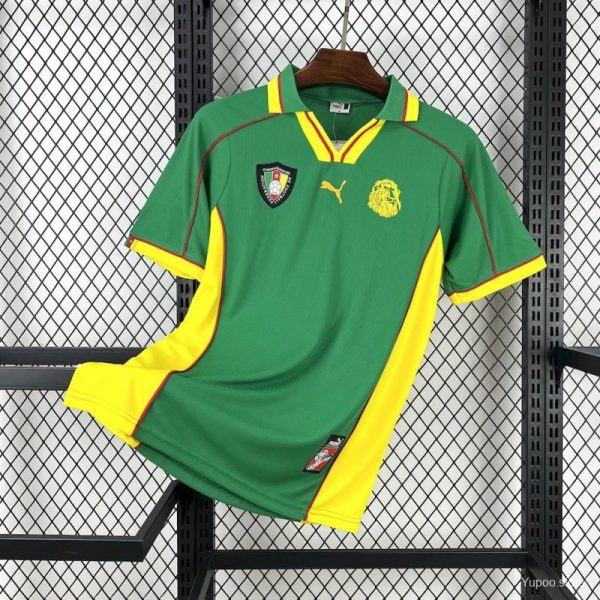
1998 Cameroon Home Retro Jersey
$19.00 -
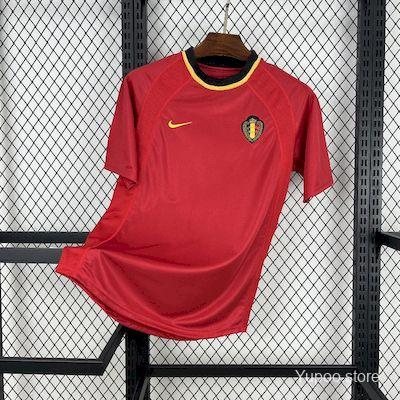
Retro 2000 Belgium Home Jersey
$19.00 -
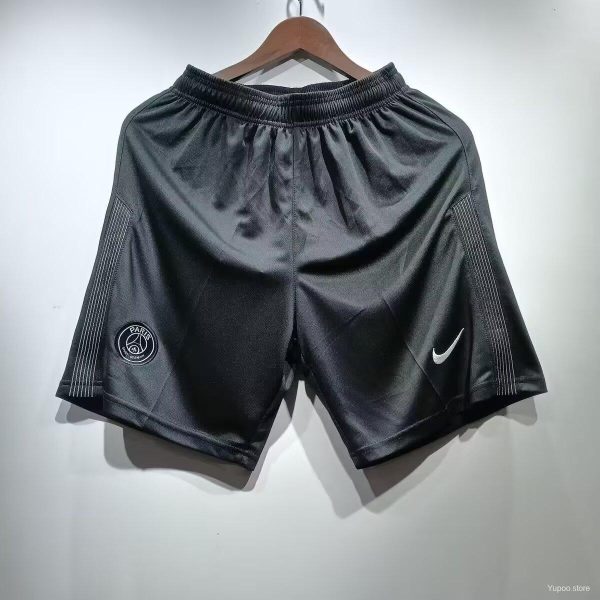
Retro 17/18 PSG Third Shorts
$19.00
Frequently Asked Questions (FAQ)
Q1: Why do soccer goalie jerseys have built-in padding when outfield jerseys do not?
Soccer goalie jerseys have built-in padding because the goalkeeper’s role requires frequent, high-impact contact with the ground and goalposts, particularly during diving saves. The padding, usually high-density foam inserts, is strategically placed at the elbows and sometimes the shoulders to absorb the impact, protect the skin from abrasion burns, and cushion the joints, thereby minimizing the risk of common impact injuries.
Q2: Is the material of a soccer goalie jerseys different from a standard field player jersey?
Yes, the material is technically more robust. While both use moisture-wicking synthetic fabrics to manage sweat, the material used for soccer goalie jerseys is generally designed to be significantly more durable and abrasion-resistant. This enhanced toughness is necessary to withstand the continuous friction and wear caused by diving, sliding, and grappling with the playing surface without ripping or quickly degrading.
Q3: How does the fit of a goalkeeper jersey affect the player’s performance?
The fit of a goalkeeper jersey is crucial for performance and is often more tailored than a standard jersey. A proper, athletic fit prevents the jersey from becoming snagged or bunched, which could restrict the quick, explosive movements required for diving and reaching. Specialized cuts, such as raglan sleeves, ensure the goalkeeper has an unrestricted range of motion in the arms and shoulders for making saves.