


Blog
What Makes Adidas Soccer Jerseys the Ultimate Fan & Player Gear?

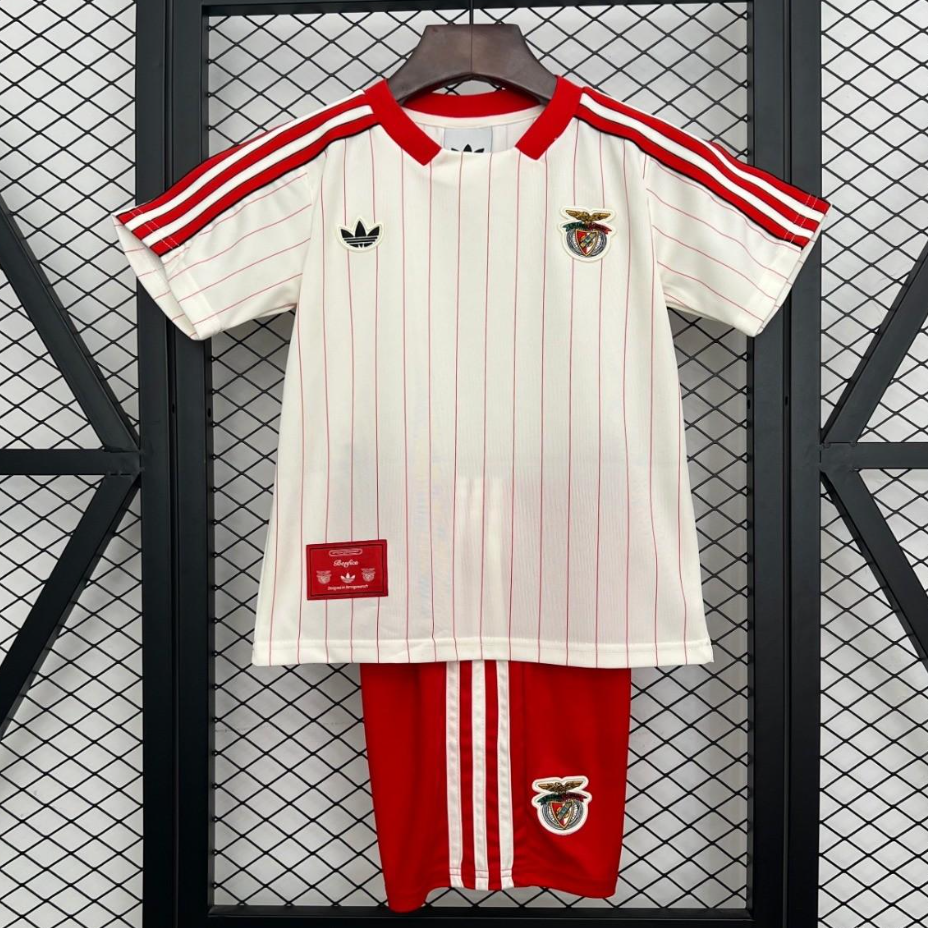
For decades, the image of elite football has been intrinsically linked to the three stripes. When discussing the highest echelon of sports apparel, particularly in the realm of football, the question inevitably arises: What distinct qualities elevate adidas soccer jerseys above standard athletic wear? This is not merely a matter of branding; it is a profound intersection of athletic engineering, cultural heritage, and visionary design that speaks directly to both the professional athlete and the dedicated supporter. The continuous evolution of this apparel represents a commitment to performance, durability, and a tangible connection to the sport’s most iconic moments. To truly appreciate this product category, one must delve into the technical fabrics, the sophisticated design philosophy, and the sustainable initiatives that define every release.
The Enduring Legacy of Adidas Soccer Jerseys
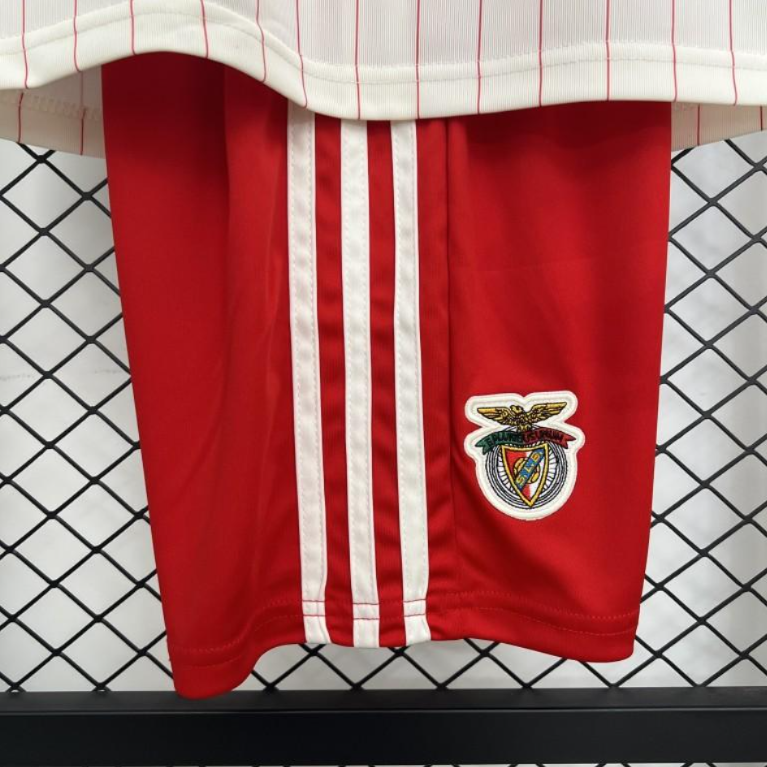
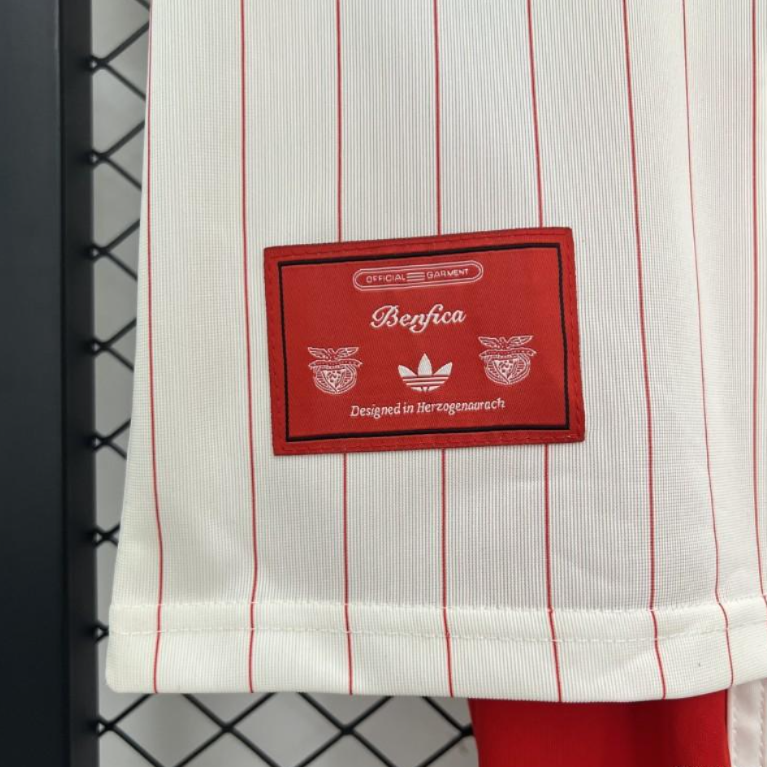
The story of the adidas soccer jersey is a narrative woven into the history of international football itself. From its humble beginnings in functional cotton to today’s ultralight, moisture-wicking synthetic materials, the journey reflects the sport’s transformation. Adidas has consistently partnered with some of the world’s most successful clubs and national teams, creating a visual lexicon that is instantly recognizable across continents. This enduring partnership has cemented the brand’s reputation not just as a provider of equipment, but as a custodian of footballing tradition. Consequently, when a consumer purchases one of these jerseys, they are investing in a piece of that rich, ongoing history.
A Century of Innovation Woven into Fabric
Innovation in fabric technology is the cornerstone of the brand’s dominance in this sector. Early designs focused primarily on durability and basic breathability. However, the modern game demands much more: textiles must manage heat, reduce drag, and allow for unrestricted movement over ninety minutes of intense physical exertion. This constant pressure has driven Adidas to continually re-engineer their materials, ensuring that every stitch serves a specific, performance-enhancing purpose. The goal remains simple yet challenging: to make the player forget they are wearing the shirt at all, allowing them to focus entirely on the match.
Technical Mastery: The Science Behind the Comfort
The primary function of any performance jersey is to regulate the body temperature of the athlete, moving moisture away from the skin to facilitate evaporation. This technical aspect is where the true value of modern adidas soccer jerseys lies, utilizing proprietary technologies developed through extensive research and development in sports science. The investment poured into these materials is what differentiates a high-end football shirt from ordinary sportswear.
Climalite, Climacool, and AEROREADY: Evolving Performance
The brand’s material science has progressed through several iconic phases. Climalite focused on wicking moisture away, while Climacool introduced strategic ventilation zones to allow air to circulate around the body, targeting areas of high heat and sweat production. Today, the AEROREADY technology represents the pinnacle of this development, emphasizing a quick-drying, comfortable feel that keeps the garment lightweight even in high humidity. Furthermore, the fabric construction often incorporates a unique texture, which not only aids in moisture management but also subtly enhances the shirt’s aesthetic and tactile quality, a detail keenly appreciated by dedicated jersey collectors.
The Role of Fit and Construction in Player Movement
Beyond the material itself, the cut and construction of the jersey are critical for elite performance. The fit of an authentic jersey is meticulously tailored—a process known as “engineering the kit.” Seams are strategically placed to minimize chafing and follow the natural contours of the body. In fact, many professional-grade jerseys utilize bonded or laser-cut construction rather than traditional stitching in certain areas, thereby reducing weight and surface friction. This precise engineering ensures that the jersey moves as a second skin, providing crucial flexibility and preventing material bunching, which could otherwise hinder the explosive movements required in football. Consequently, these construction methods directly translate into a competitive edge on the pitch, making the jersey an integral part of a player’s equipment rather than just attire.
Design, Heritage, and Color: More Than Just a Shirt
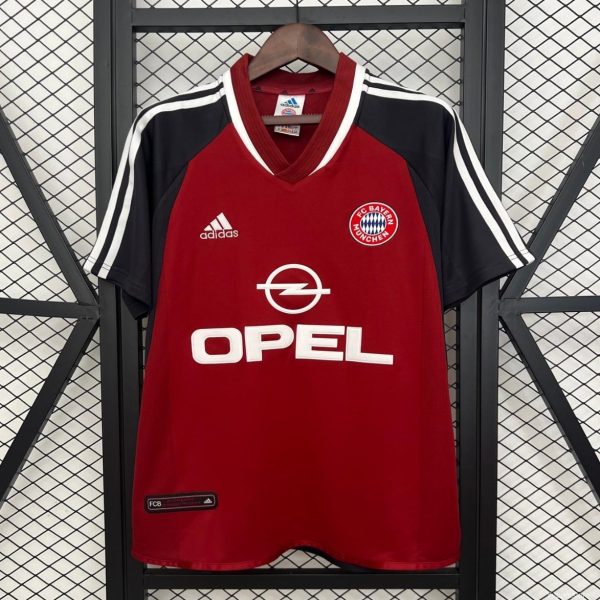
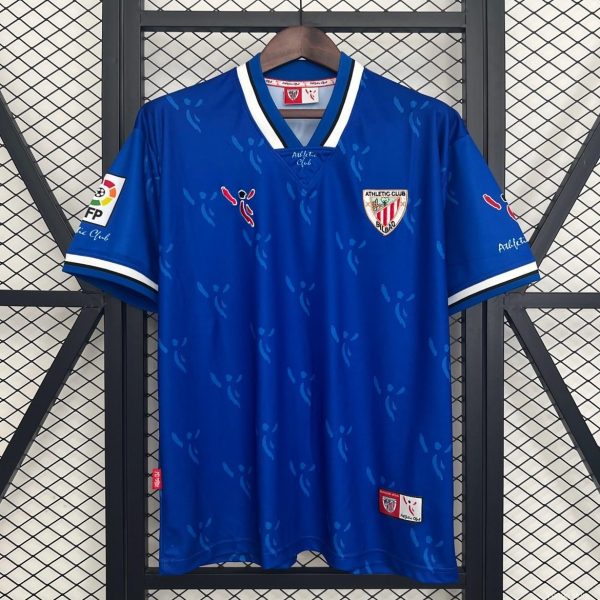
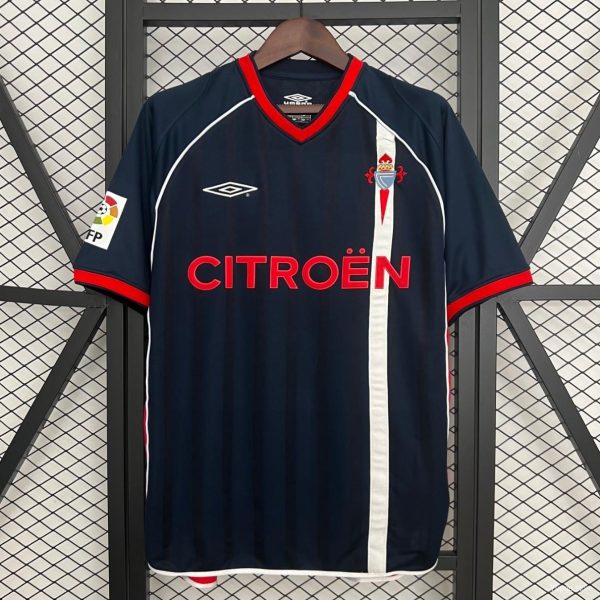

While technology drives performance, the aesthetic appeal and cultural significance are what drive consumer adoption and passion. Adidas excels at merging cutting-edge technical innovation with deep respect for the club or national team’s heritage. Each kit is a visual narrative, an opportunity to celebrate history while looking toward the future.
Translating Club Identity into Wearable Art
Color is arguably the most powerful element of a football kit. It is the immediate visual representation of a club’s identity, its history, and the collective passion of its supporters. Adidas’s design teams work closely with clubs to ensure that the primary theme and accent colors are perfectly matched to the official branding guidelines, often drawing inspiration from architectural features of the stadium, city landmarks, or historical moments. For example, a design might incorporate a subtle pattern inspired by a classic jersey from decades past, providing a nod to the club’s legacy while maintaining a modern, fresh look. This meticulous attention to thematic detail ensures that the final product is a faithful, yet stylish, translation of the club’s soul onto the fabric. The overall effect is a highly marketable piece of apparel that resonates deeply with the fan base.
The Ethical and Sustainable Threads
In recent years, the concept of “correct values” has shifted towards sustainability and ethical production. Adidas has been at the forefront of this change, committing to reducing plastic waste and incorporating recycled materials into their core product lines. Many modern adidas soccer jerseys are now crafted using Primegreen or Parley Ocean Plastic—high-performance recycled materials made from repurposed waste. This commitment not only aligns with a global mandate for environmental responsibility but also provides tangible, ethical value to the consumer, allowing them to support their team while making a more conscientious purchase. This initiative represents a clear and necessary shift toward responsible manufacturing within the sports apparel industry.
The Player vs. The Supporter: Understanding Replica and Authentic Jerseys
The market for adidas soccer jerseys is primarily split into two categories: Authentic (or Match) and Replica (or Fan). For the user who is a dedicated jersey enthusiast or a product consumer, understanding the differences is paramount to making an informed purchase that aligns with their needs and budget. Both versions share the essential aesthetic design, but they diverge significantly in material, fit, and price point.
The Key Differences: Technology, Weight, and Cost
The Authentic jersey is the precise garment worn by the players on the field. It features the lightest available fabric (AEROREADY or HEAT.RDY), a slimmer, performance-focused fit, and often boasts more complex construction methods, such as heat-applied badges and logos to further reduce weight and surface irritation. Conversely, the Replica jersey is designed for comfortable everyday wear. It uses a slightly heavier, yet highly durable, version of the moisture-wicking fabric and has a more relaxed, straight-cut fit. Its badges and logos are typically embroidered, which adds to the longevity and robustness required for casual use. Consumers must decide whether they prioritize the exact feel and performance of the professional kit (Authentic) or the relaxed fit and long-term wearability of the fan version (Replica).
Investing in Your Passion: Durability and Value
For the true jersey collector, an Authentic shirt is an investment in the highest form of the product, often valued for its fidelity to the match-worn version. For the casual fan, the Replica jersey offers exceptional value, providing the same visual connection to the team but with enhanced durability for activities like playing five-a-side or simply watching a match in comfort. Both products maintain high quality, but their intended application defines their final features. It is therefore essential for the consumer to read the product description carefully to ensure they are purchasing the version best suited to their lifestyle.
The Future of Football Apparel: Where Adidas Soccer Jerseys are Headed
The trajectory of football kit innovation suggests a future focused on hyper-personalization, smart technology integration, and continued sustainability. Adidas is likely to push the boundaries of materials science further, perhaps introducing bio-engineered fabrics or integrated smart-wear technology that can monitor performance metrics directly. The aesthetic design will continue to be a fusion of classic inspiration and bold, digital-age graphical elements.
Integrating Digital and Physical Fan Experiences
The physical jersey is increasingly becoming a gateway to digital engagement. Future adidas soccer jerseys may incorporate near-field communication (NFC) chips or QR codes that link the wearer to exclusive digital content, augmented reality experiences, or loyalty programs. This fusion of the physical product with a robust digital offering ensures that the jersey remains relevant and valuable in an increasingly connected world, enhancing the overall fan experience beyond the 90 minutes of the match. This technological integration will cement the jersey’s role as a multifaceted piece of merchandise.
Conclusion
Ultimately, the enduring appeal and technical superiority of adidas soccer jerseys stem from a successful synergy between athletic necessity and cultural desire. They are engineered to provide maximum performance for the world’s best players, yet are designed to connect millions of fans to their heroes and heritage. The consistent integration of advanced fabric technology, ethically sourced materials, and iconic design ensures that the three stripes will continue to define the look and feel of football for generations to come. When purchasing one, the consumer is acquiring more than just a piece of clothing; they are buying into a legacy of unparalleled quality and a global community of passion.
Frequently Asked Questions (FAQ)
How should I properly care for my adidas soccer jersey?
To maintain the fabric quality and the integrity of the heat-pressed names/numbers, always wash your jersey inside out in cold water on a gentle cycle. Use a mild detergent and avoid fabric softeners, as these can clog the pores of the technical fabric. Crucially, never put the jersey in a dryer; always hang it to air dry.
What is the main difference between an Authentic and a Replica jersey?
The Authentic (Match) version is a player-specification shirt with a tighter, performance fit, lighter fabric, and heat-applied badges. The Replica (Fan) version has a more relaxed fit, uses a slightly more durable fabric, and typically features embroidered badges, making it ideal for casual wear.
Are the materials used in current adidas soccer jerseys sustainable?
Yes, many modern jerseys are made with Primegreen or Parley Ocean Plastic, which are high-performance recycled materials. Adidas is committed to increasing the use of sustainable and recycled content across its apparel lines.
Why is the authentic jersey fit so much tighter than the replica?
The authentic jersey is engineered for elite athletes. The tight, tailored fit is designed to prevent bunching, reduce drag, and maximize the fabric’s performance features (like moisture-wicking) by keeping the material in close contact with the skin during intense physical activity.