


Blog
Why Does the Retro Eagles Jersey Never Go Out of Style?

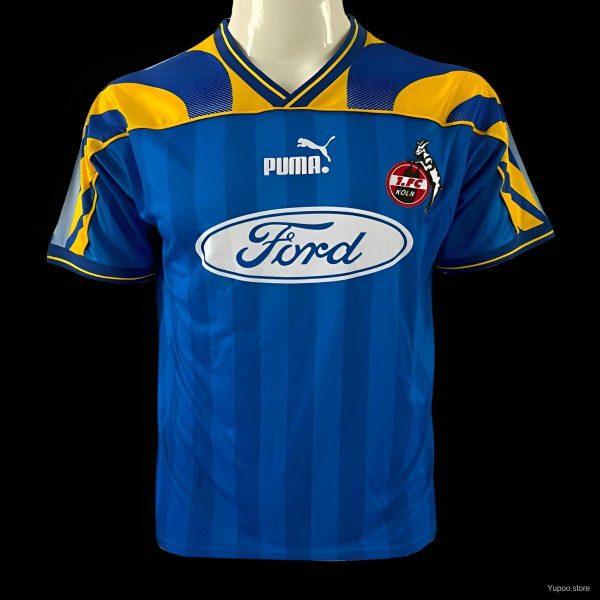
The landscape of professional sports apparel is dynamic, constantly refreshed with new designs and performance fabrics. However, in the world of American football, few items hold the enduring cultural cachet of a vintage classic. The retro Eagles jersey, representing the rich, often tumultuous history of the Philadelphia Eagles franchise, is more than just a piece of fabric; it is a wearable emblem of fan loyalty, regional pride, and legendary moments. These throwback shirts, whether celebrating the classic Kelly Green era or the iconic names of the past, command a powerful emotional response that transcends current team performance. For dedicated collectors, casual fans, and streetwear enthusiasts, understanding the historical context and the unique aesthetic appeal that defines the retro Eagles jersey is essential to appreciating its value and place in modern fan culture. This article delves into the legacy that ensures these jerseys remain a timeless and highly sought-after item in the memorabilia market.
The Evolution of the Eagles Aesthetic
The visual journey of the retro Eagles jersey is intrinsically linked to key eras and major shifts in the team’s identity, with certain colors and designs achieving iconic status far beyond their playing days.
The Timelessness of Kelly Green
Perhaps the single most recognizable and beloved look in the franchise’s history is the “Kelly Green” retro Eagles jersey. Worn during the team’s formative years and through several periods of on-field success, this deep, vibrant green color evokes profound nostalgia for older generations of fans and holds an aesthetic appeal for younger buyers seeking a distinctive, classic look. When the team shifted to a darker, more modern “Midnight Green,” the demand for the classic Kelly Green jerseys only intensified, transforming them from mere relics into revered symbols of a simpler, golden era of football. The color itself is now a powerful brand identity element, frequently demanded by the fanbase for reintroduction.
Iconic Player Nameplates and Numbers
The value of a retro Eagles jersey is often amplified by the name and number it bears. Jerseys associated with franchise legends are particularly coveted. Names like Reggie White, Randall Cunningham, and Chuck Bednarik represent specific eras of dominance, toughness, and electrifying play. When a fan wears a number 92 Kelly Green jersey, they are not just showing support for the current team; they are paying homage to the historical greatness that built the franchise. For collectors, the condition and authenticity of a jersey bearing the name of an iconic player significantly drives up its market value, positioning it as a tangible link to NFL history.
Manufacturing Quality and Collectibility
The distinction between an authentic vintage shirt and a modern reproduction is crucial for collectors, as the material and manufacturing details define the true collectible value of the retro Eagles jersey.
Authentic Materials vs. Modern Replicas
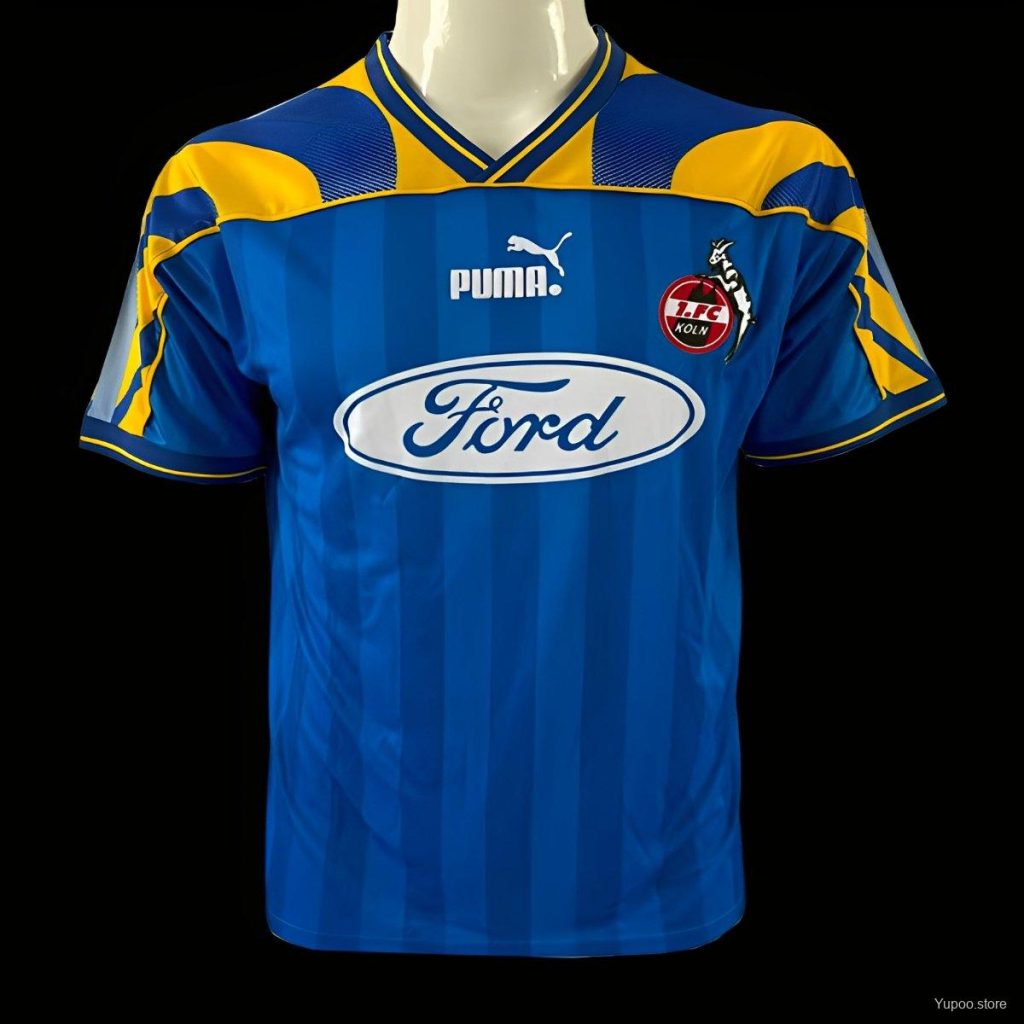
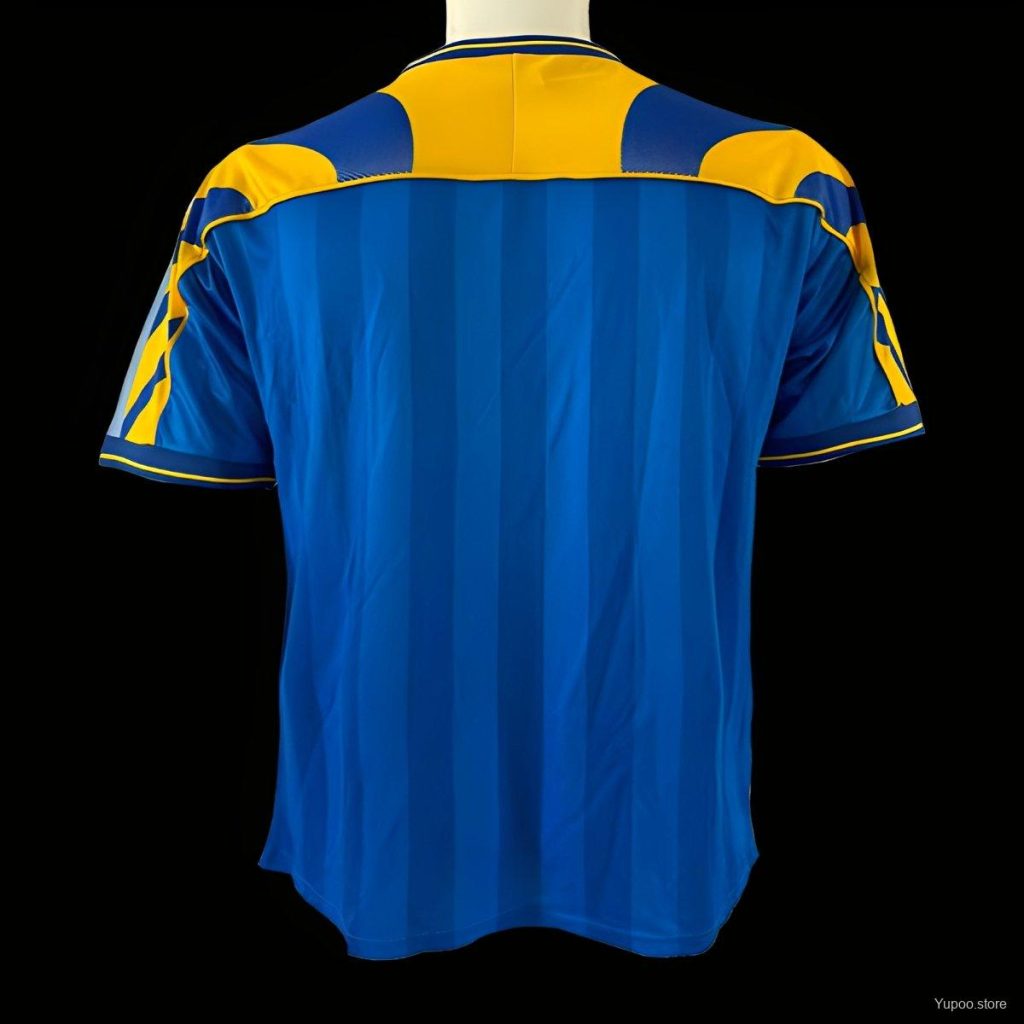
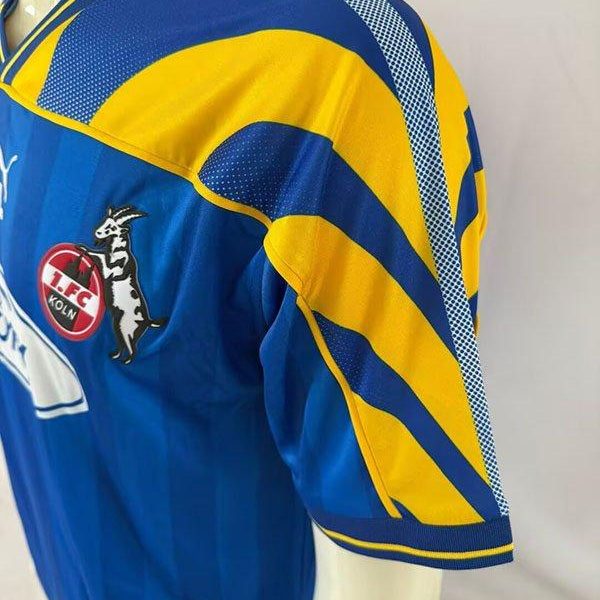
Original vintage retro Eagles jersey items from the 1970s and 80s often feature heavier fabrics, different stitching patterns, and unique patches or tags that mark them as genuine relics of the past. These jerseys were designed with less focus on modern moisture-wicking technology and more on simple durability. In contrast, many of the throwback jerseys sold today are high-quality reproductions that utilize modern, comfortable fabrics while accurately replicating the original design, colors, and font styles. For consumers prioritizing comfort and everyday wear, modern replicas are often the preferred choice. For the serious collector, however, the minute imperfections and authentic wear found on an original piece are what guarantee its historical value and scarcity.
Rarity and the Scarcity Market
Certain versions of the retro Eagles jersey—such as limited-edition throwbacks, jerseys commemorating specific Super Bowl appearances from the past, or those from short-lived uniform experiments—become significantly rarer over time. This scarcity naturally increases their desirability and price in the collector market. The search for these rare or “grail” items is a key driving force for dedicated jersey enthusiasts. Furthermore, the jersey’s provenance, meaning its documented history of ownership or confirmation that it was game-worn, can elevate its value exponentially, turning a simple garment into a high-value piece of sports history.
The Retro Jersey as a Fan Identity and Fashion Statement
Today, the retro Eagles jersey has successfully bridged the gap between game-day attire and mainstream fashion, making a significant impact on streetwear and casual style.
A Symbol of Unwavering Loyalty
Wearing a retro Eagles jersey in the stands is a clear statement: it signifies deep, enduring loyalty to the club that transcends the current roster or season. It signals to fellow fans an understanding and appreciation of the team’s long history. For Eagles fans, whose passion is legendary, the retro shirt is an active participation in the club’s narrative. Moreover, in a region known for its intense sports culture, wearing the colors of a legendary era provides a powerful, unifying sense of community and regional identity that few other garments can achieve.
Integration into Street and Casual Wear
The distinct color palettes and bold, vintage logos of the retro Eagles jersey make it highly appealing to fashion-conscious individuals outside the traditional fan base. These jerseys integrate seamlessly into contemporary streetwear aesthetics, often paired with neutral bottoms, sneakers, or layered beneath jackets. This cross-cultural adoption has introduced the nostalgic designs to a younger demographic, transforming the jersey from solely athletic wear into a recognized piece of vintage Americana and sports fashion. This broad appeal ensures that the demand for these classic designs remains robust, driving continuous interest and production of high-quality replicas.
Conclusion
The enduring popularity of the retro Eagles jersey is built on a solid foundation of team history, iconic design, and deep fan connection. These jerseys are celebrated not only for the memories they embody—from the tough play of the 80s defense to the heroics of franchise quarterbacks—but also for their striking aesthetic that remains stylish decades later. For any customer seeking to capture a piece of football heritage, make a bold fashion statement, or simply express profound loyalty, the retro Eagles jersey offers an unmatched blend of historical significance and modern visual appeal, cementing its status as an indispensable item in any sports apparel collection.
FAQ
Q1: What are the best ways to verify the authenticity of an original retro Eagles jersey?
To verify the authenticity of an original retro Eagles jersey, focus on examining the tag details (manufacturer, size, wash instructions), the quality of the stitching (especially around the numbers and logos), and comparing the font style to historical images from that era. Look for known counterfeit indicators, and if possible, purchase from reputable sellers who specialize in authenticated vintage sports apparel.
Q2: Why is the Kelly Green color so popular for a retro Eagles jersey?
The Kelly Green color is iconic for the retro Eagles jersey because it was the team’s primary color during several successful and memorable periods in franchise history, particularly throughout the 1980s and early 1990s. The color strongly evokes nostalgia and is aesthetically unique, making it a highly desirable throwback look compared to the team’s current darker green shade.
Q3: Are modern reproductions of retro Eagles jerseys made with the same materials as the originals?
No, modern reproductions of the retro Eagles jersey typically utilize contemporary fabric technology. While the colors, logos, and designs are accurate to the original aesthetics, the materials are often lighter, more breathable, and feature modern moisture-wicking properties, offering greater comfort for current-day casual wear compared to the heavier synthetic fabrics used decades ago.