


Blog
Why Is a Vintage Soccer Jersey the Ultimate Choice?

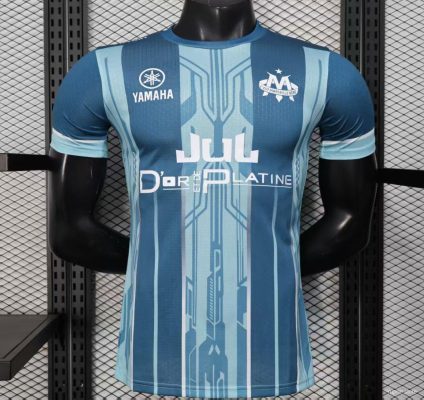
In the modern era of sports, where fast fashion and seasonal updates dominate the market, the enduring appeal of a vintage soccer jersey stands as a testament to the rich history of the beautiful game. For many fans, a jersey is far more than just a piece of athletic polyester; it is a wearable time capsule that captures the essence of a specific era, a legendary player, or a historic victory. Whether it is the bold geometric patterns of the early nineties or the minimalist elegance of the seventies, these garments carry a soul that contemporary kits often struggle to replicate. Collectors and casual fans alike are increasingly drawn to the vintage soccer jersey because it offers a sense of individuality and nostalgia that mass-produced modern gear cannot provide. By choosing to wear a classic kit, a supporter demonstrates a deep respect for the sport’s heritage while making a distinct style statement that transcends the fleeting trends of today.
The Cultural Significance and Evolution of Classic Kits
The journey of the vintage soccer jersey from a simple functional uniform to a highly sought-after cultural artifact is a fascinating reflection of global football history. In the early days, jerseys were made of heavy natural fibers like wool or cotton, featuring large collars and simple crests that represented the local identity of the club. However, as the commercial power of football grew in the late twentieth century, the introduction of synthetic fabrics and bold sponsorship logos transformed the aesthetic landscape. This transition period is exactly what makes a vintage soccer jersey so appealing to modern eyes, as it represents a time when designers were experimental and daring. Today, these shirts are celebrated not just by sports fans, but also by the high-fashion community, as “blokecore” and retro aesthetics continue to influence street style globally.
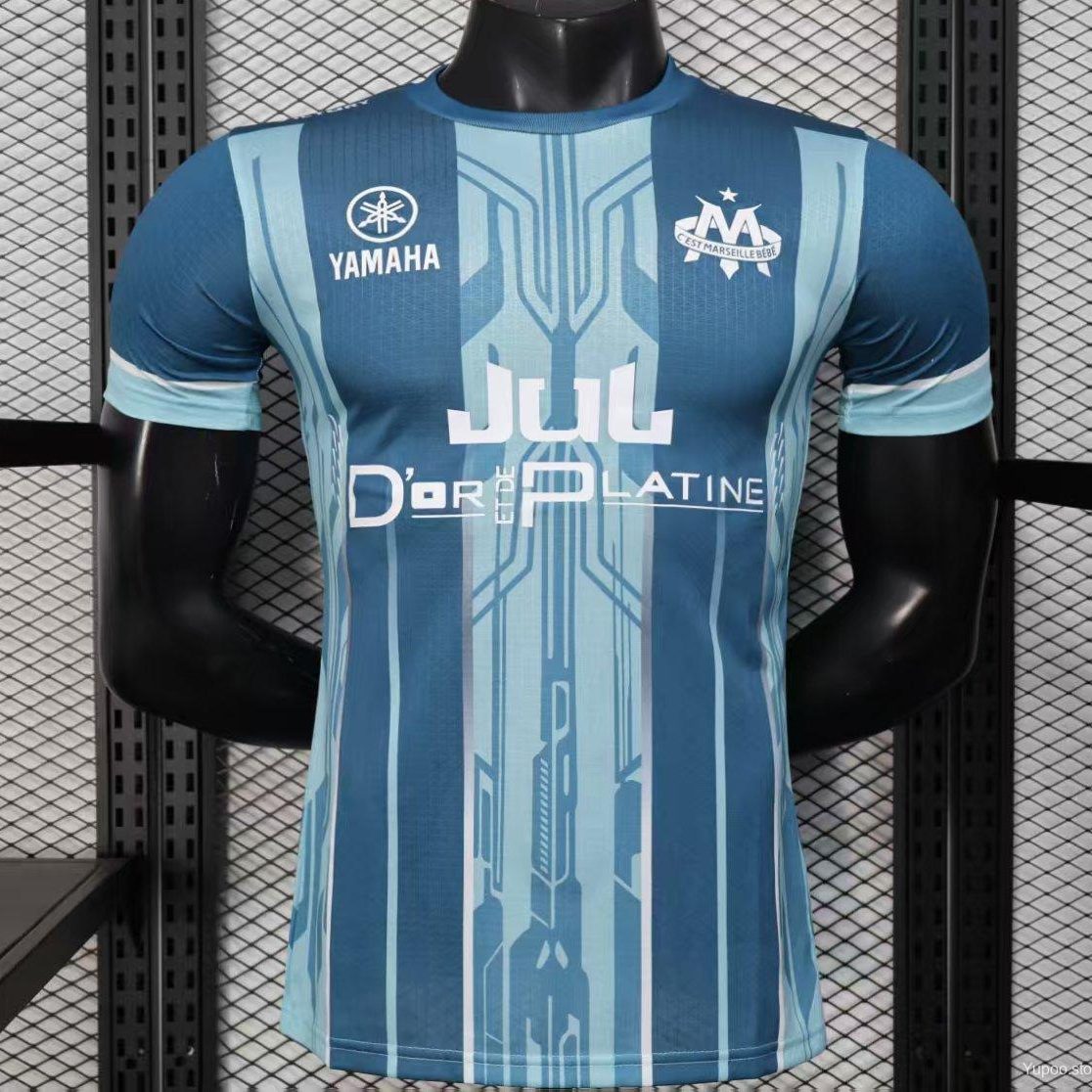
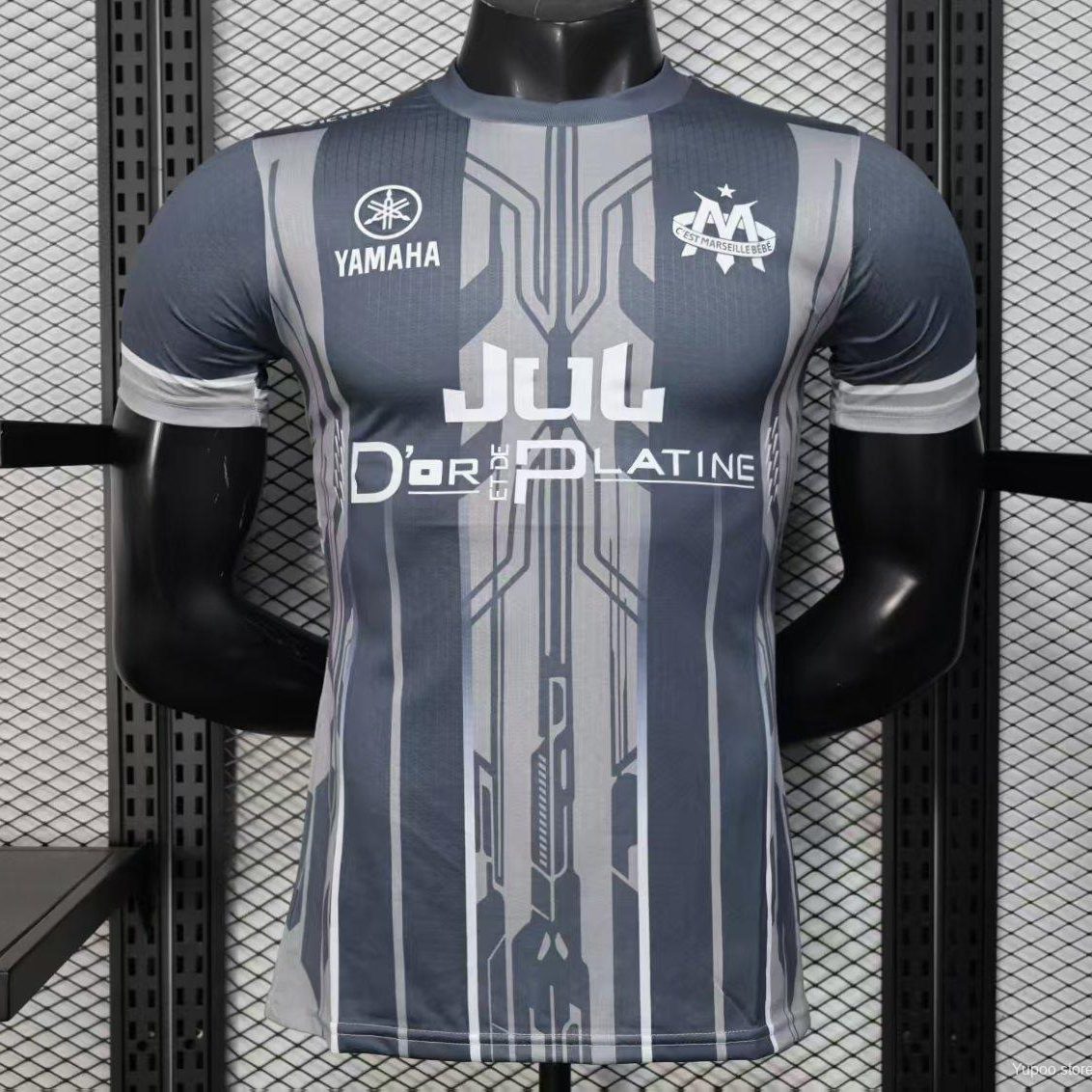
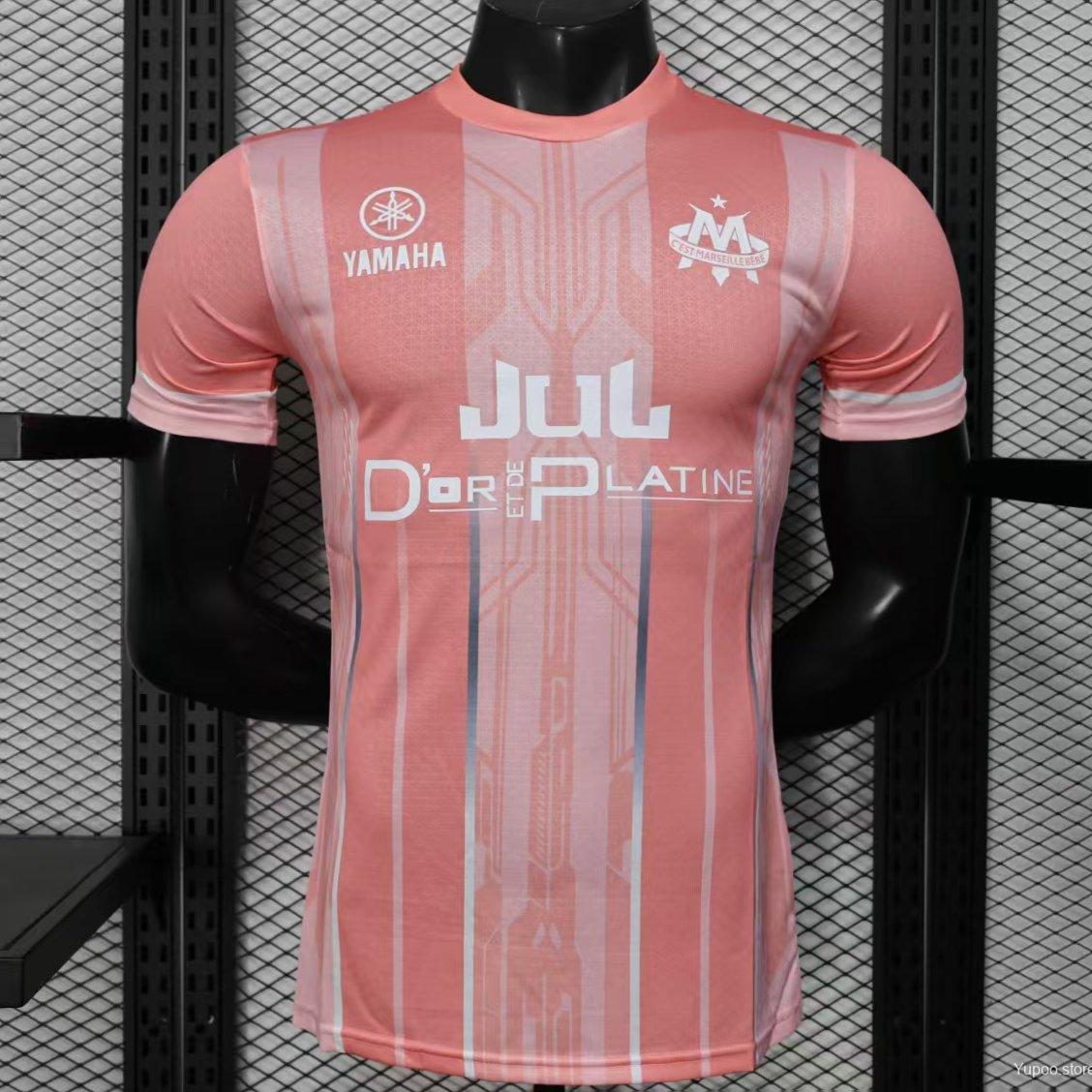
Design Aesthetics and Iconic Brand Collaborations
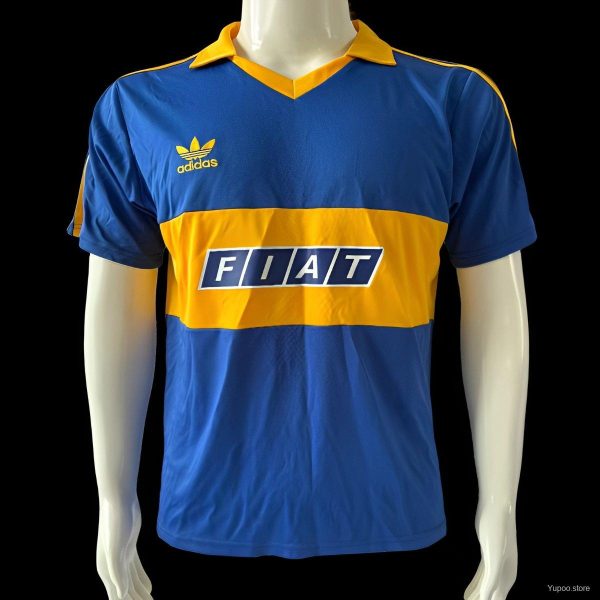
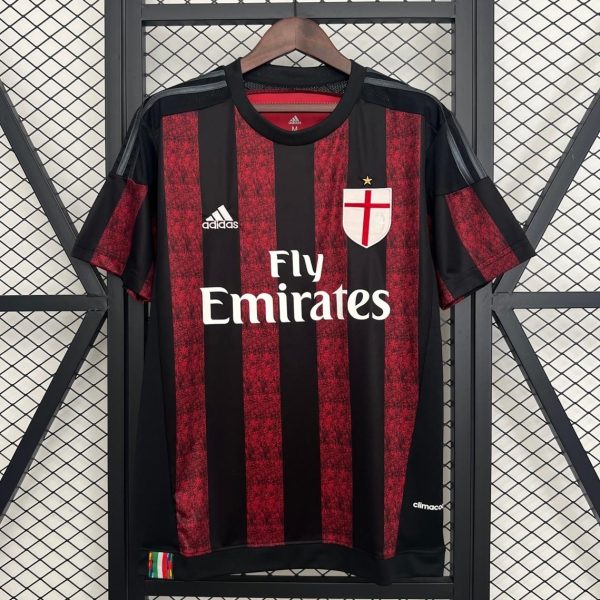
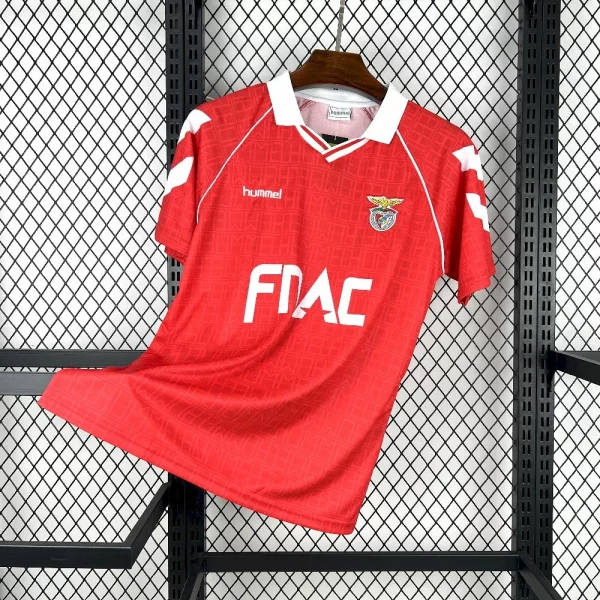
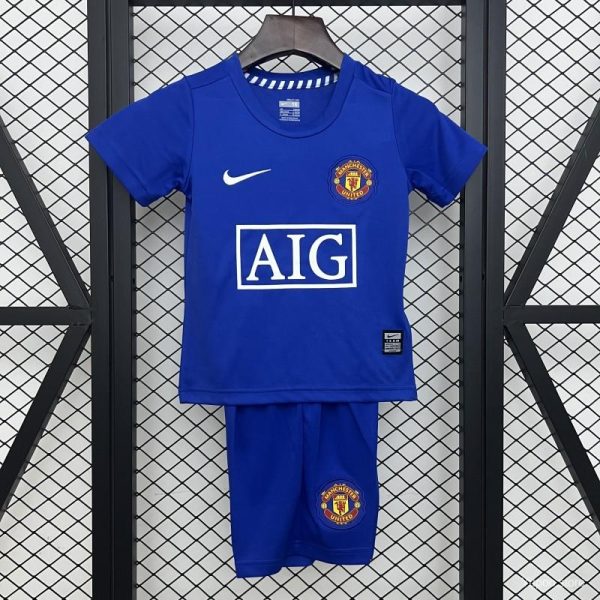
One cannot discuss the beauty of a vintage soccer jersey without acknowledging the legendary partnerships between clubs and sportswear giants. During the golden age of football design, brands like Adidas, Umbro, and Kappa produced kits that are now considered masterpieces of graphic design. For instance, the intricate watermarks and oversized felt numbers found on a vintage soccer jersey from the 1990s are features that modern manufacturing rarely includes due to cost constraints. These details provide a tactile and visual depth that makes the garment feel like a premium product. Furthermore, the sponsor logos of that era, often representing classic electronics or brewery brands, have become iconic symbols in their own right, adding a layer of historical context that helps fans identify with a specific moment in their team’s journey.
Durability and the Quality of Heritage Fabrics
Beyond the visual appeal, the physical construction of a vintage soccer jersey often surpasses that of modern “player version” kits. While today’s shirts are designed for maximum breathability and lightness, they are frequently fragile and prone to snags. In contrast, older jerseys were built to last, utilizing thicker knits and embroidered badges that maintain their integrity even after decades of wear. For a user, this means that investing in a vintage soccer jersey is not just an emotional purchase but a practical one. These shirts can be worn to matches, social gatherings, or simply kept as a durable part of a long-term collection. This inherent quality ensures that the colors remain vibrant and the fabric stays structured, allowing the owner to enjoy the piece for many years.
The Emotional Connection to Sporting Legends
Perhaps the most powerful driver behind the demand for a vintage soccer jersey is the human story behind the fabric. Every fan remembers the first time they saw their idol score a winning goal or lift a trophy. Owning a kit that matches the one worn during those pivotal moments creates a direct emotional link to the past. When a fan wears a vintage soccer record, they are not just supporting a team; they are honoring the legacy of the legends who paved the way. This connection is particularly strong among younger generations who seek to learn about the history of their favorite clubs. By acquiring a vintage soccer jersey, they bridge the gap between their current passion and the foundational years of the sport, fostering a multi-generational love for football that keeps the spirit of the game alive.
Navigating the Market for Authentic Retro Apparel
As the popularity of classic kits grows, the market has become increasingly complex for the average consumer. Discerning the value of a vintage soccer jersey requires a keen eye for detail, including the type of stitching used on the hem, the material of the wash tags, and the texture of the club crest. For many users, the goal is to find a piece that offers the perfect balance between authentic feel and wearable condition. Because genuine originals from thirty years ago can be prohibitively expensive, many fans opt for high-quality recreations that honor the original specifications. Regardless of whether it is a rare find or a faithful reissue, the primary value of a vintage soccer jersey lies in its ability to transport the wearer back to a time of pure sporting passion and uncomplicated joy.
Maintenance Tips for Preserving Classic Shirts
To ensure that a vintage soccer jersey remains in top condition, proper care is essential. Unlike modern clothes, these delicate items should never be washed at high temperatures or dried in a machine, as heat can cause the printed sponsors or numbers to crack and peel. Instead, collectors recommend hand washing in cool water with a mild detergent and allowing the shirt to air dry in a shaded area. This careful preservation process is part of the ritual of owning a piece of history. By treating a vintage soccer jersey with the respect it deserves, owners can prevent the yellowing of fabrics and the fading of colors, ensuring that the kit remains a proud centerpiece of their wardrobe or display for the next generation of fans to admire.
The Role of Nostalgia in Modern Fan Identity
In a digital world that often feels disconnected, the tangible nature of a vintage soccer jersey provides a sense of grounding and belonging. It serves as a conversation starter among strangers in a stadium or a pub, instantly identifying the wearer as someone who appreciates the deep roots of the club. This shared nostalgia creates a community that is defined by more than just current results; it is defined by a shared history and a collective memory. Consequently, the vintage soccer jersey has become a vital tool for fan engagement, helping people express their loyalty in a way that is sophisticated and deeply personal. It is this unique ability to combine fashion, history, and community that ensures the classic soccer shirt will never go out of style.
Sustainable Fashion and the Second-Hand Economy
Choosing to wear or collect a vintage soccer jersey also aligns with the growing movement toward sustainable fashion. By valuing older garments and keeping them in circulation, fans are resisting the “throwaway” culture associated with modern retail. The second-hand market for football kits is a thriving ecosystem where shirts are passed from one enthusiast to another, each adding a new chapter to the item’s history. This circular economy not only preserves the physical history of the sport but also reduces the environmental impact of producing new synthetic clothing. For the ethically conscious consumer, a vintage soccer jersey represents a way to enjoy the hobby while being mindful of the planet’s resources, proving that great style does not have to come at a high environmental cost.
Conclusion
The vintage soccer jersey is more than a fashion trend; it is a profound celebration of football’s soul and a bridge between generations. Through its iconic designs, durable construction, and deep emotional resonance, it offers a level of value that modern kits simply cannot match. For the user, it represents a way to stand out from the crowd while honoring the history of their favorite club. As the world of football continues to change, the classic jersey remains a constant reminder of why we fell in love with the sport in the first place. Whether you are a dedicated collector or a casual fan looking for your first retro piece, the journey into the world of vintage kits is one of discovery, nostalgia, and timeless style. Ultimately, wearing a vintage soccer jersey is the ultimate tribute to the beautiful game, ensuring that the legends and stories of the past continue to shine on the streets and in the stands of the future.
FAQ
Q1: How can I tell if a vintage soccer jersey is an original or a remake?
Identifying an original vintage soccer jersey involves checking several key details. First, look at the manufacturer’s tags; older shirts often have woven labels rather than printed ones. Second, examine the stitching of the club crest and the brand logo; authentic vintage pieces usually have high-density embroidery. Finally, check the feel of the sponsor logo; many original shirts used a “flock” or felt texture rather than the thin plastic heat transfers found on modern remakes.
Q2: Why are some vintage soccer jerseys so expensive compared to others?
The price of a vintage soccer jersey is determined by its rarity, its condition, and the historical significance of the kit. A shirt worn during a World Cup-winning season or by a legendary player like Maradona or Pelé will always command a premium. Additionally, certain “cult” designs that were unpopular at the time of release have become rare over time, making them highly valuable to modern collectors who appreciate their unique and daring aesthetics.
Q3: Is it okay to wear a rare vintage soccer jersey or should it be framed?
This depends entirely on the owner’s preference and the condition of the shirt. Many fans enjoy wearing their vintage soccer jersey to special events or matches to show their pride. However, if the shirt is extremely rare, signed, or in “deadstock” condition, many collectors choose to frame it to protect it from UV light and physical wear. If you do choose to wear it, ensure you follow strict washing guidelines to preserve the fabric and prints for as long as possible.